




Navigating the procurement process for powder packaging equipment presents several complex questions: Do different powder formulations require distinct dosing systems? Why are certain fine powders ideally suited for auger dosing while others cause severe clogging or dusting? Is it practical to use the same equipment for both small sachets and large bulk bags? Most importantly, how can you avoid buying a machine that either starves your production or creates an over-specified, costly bottleneck? Finding the right powder packaging solution requires matching your specific material traits, package format, and operational goals to the appropriate machinery configuration.
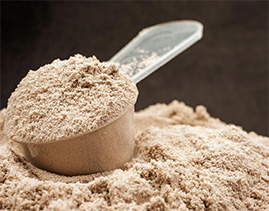
A one-size-fits-all approach does not work for dosing and feeding powders. Material behavior varies widely across four core categories: fine powder (e.g., flour or milk powder), free-flowing powder (e.g., detergent powder or granular coffee), poor-flowing powder (e.g., sticky protein powder), and hygroscopic powder (powders prone to absorbing ambient moisture).
When evaluating a powder filling system, analyze these fundamental physical attributes:
Bulk Density & Particle Size: Determines hopper volume requirements and settling characteristics.
Flowability: Dictates whether the product flows freely under gravity or requires mechanical agitation.
Moisture Sensitivity & Dust Generation: Influences enclosure sealing, dust extraction needs, and environmental controls.
Actual product behavior depends heavily on formulation, particle morphology, and ambient factory conditions (temperature and relative humidity). Never select equipment based solely on a generic product name; always conduct physical testing on your exact material.
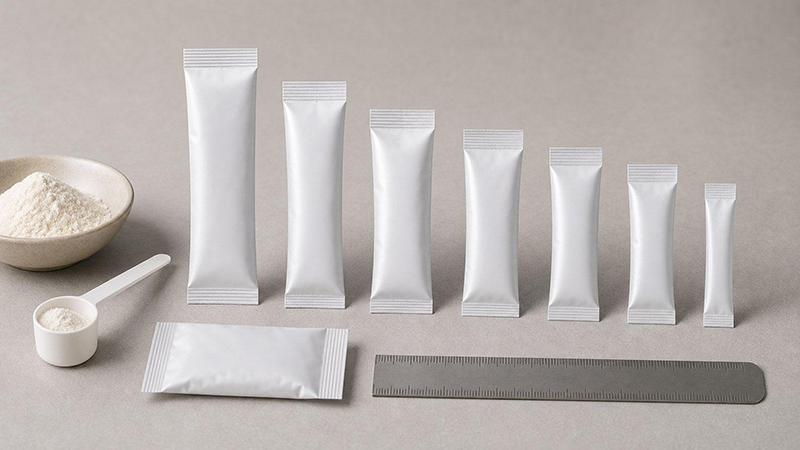
The choice of bag style directly dictates mechanical and operational requirements for the packaging machine:
| Packaging Format | Key Machinery & Engineering Considerations |
| Pillow Bag | Requires precise mechanical forming assemblies and synchronized vertical/horizontal heat sealing mechanisms |
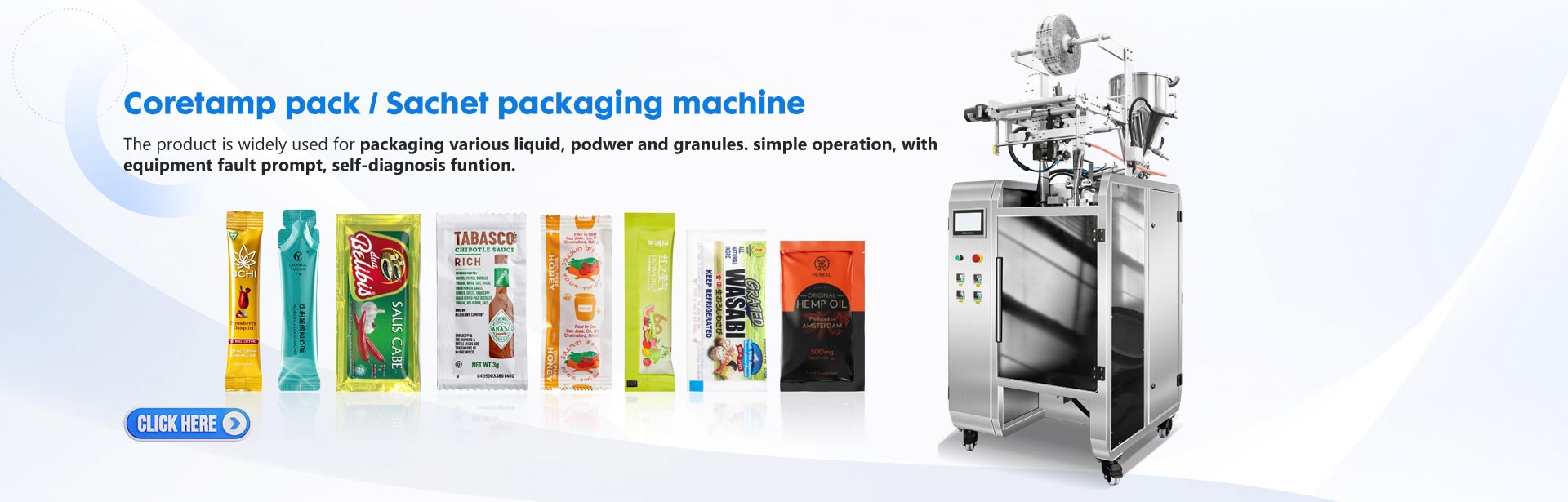
| Sachet | Focuses on tight web tension control, high-precision dosing, andhigh-speed multi-edge sealing. |
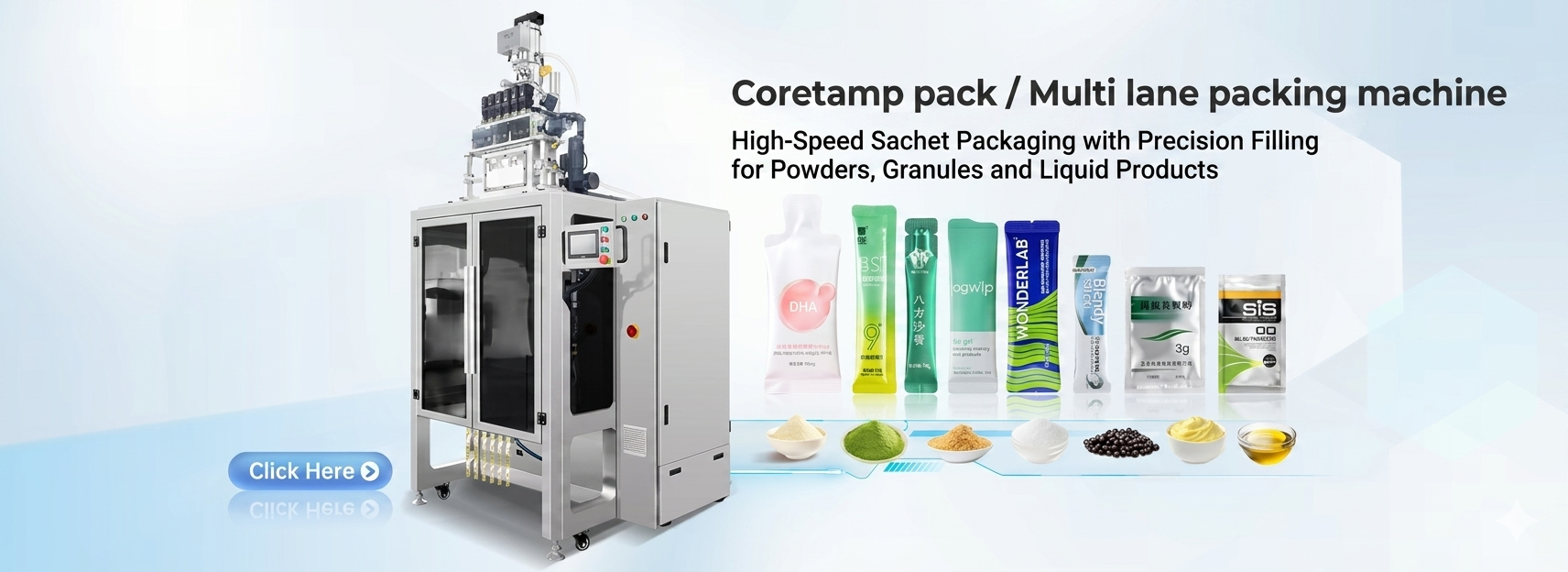
| Stick Pack | Demands a compact multi-lane structure with independent dosingtubes configured for narrow widths. |
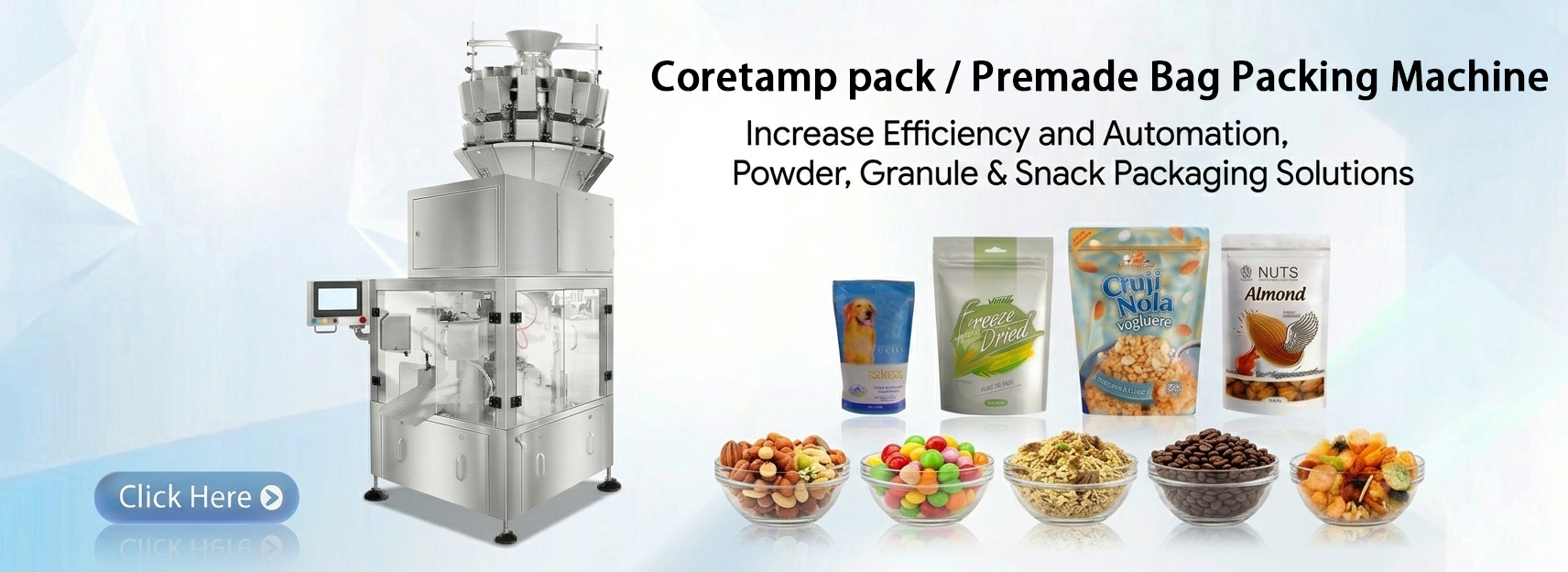
| Premade Pouch | Relies on specialized robotic grippers for automated pouch opening,top-filling, and ultrasonic/heat sealing. |
| Flat-Bottom Bag | Requires specialized gusset-forming tools and bottom-squaringdevices to ensure shelf stability. |
Selecting the correct dosing technology is essential for accurate filling and minimal product waste. Three primary dosing methods are utilized depending on the application:
Auger Filler: Very common in powder packaging; suitable for many fine powders, including those that are prone to dusting or have poor flow characteristics.
Volumetric Cup Filler: Suitable for powders or granular materials with relatively stable flow properties and bulk density, though actual precision depends on the specific characteristics of the material.
Weighing-Based Filling Systems: Used for specific applications that require weight-based control; the exact configuration should be determined based on the powder’s properties and the target precision.
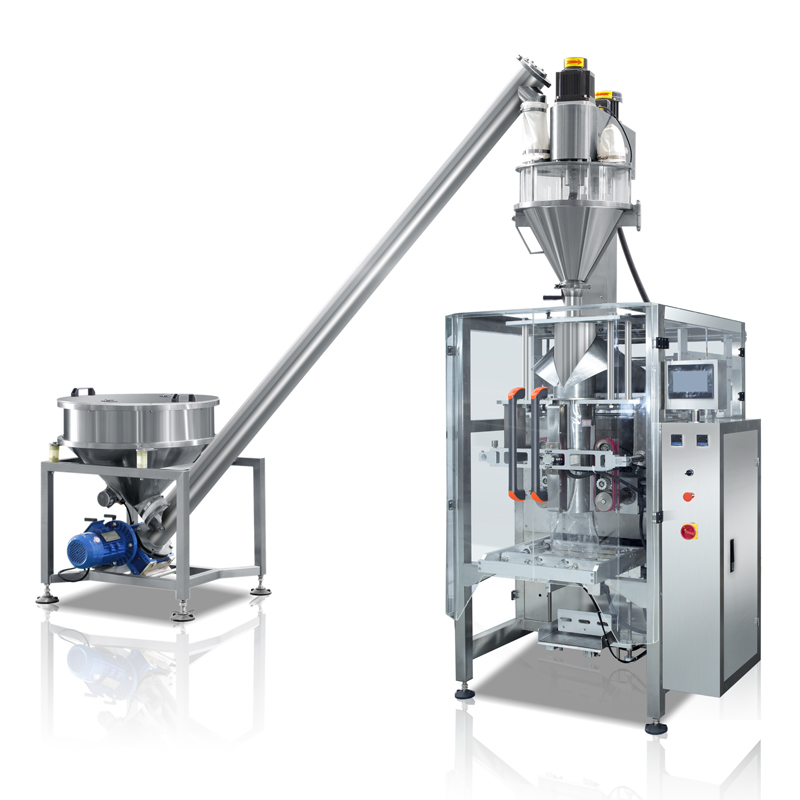
An auger filling machine for powder packaging is the industry standard for fine, dusty, or non-free-flowing powders. The auger screw drives precise volumetric displacements, while variable-speed agitators can help improve powder flow and reduce bridging or material buildup inside the hopper. Screw designs, discharge outlets, and dust-control structures can be customized to minimize material leakage and dust escape during the filling process. However, optimal screw geometry, flight pitch, and agitator configuration must be validated through physical sample testing rather than theoretical assumptions.
Manufacturer-stated maximum speeds rarely reflect real-world throughput. Calculating actual output in bags per minute requires evaluating several interdependent variables:
Target Fill Weight: Larger volumes demand longer discharge times per cycle.
Product Flow & Sealing Time: Slow-flowing materials or complex barrier films limit cycle speed.
Equipment Design & Configuration: For higher output requirements, a dual-lane or multi-lane packaging machine may be worth considering. However, the appropriate configuration depends on the target fill weight, powder characteristics, bag dimensions, and required sealing performance.
Downstream & Operational Efficiency: Line speed is capped by operator speed and downstream cartoning or casing capacity.
Determining line capacity early helps prevent under-specifying equipment or over-investing in unnecessary speed.
Transitioning from a standalone unit to a fully automated production line improves consistency and reduces manual labor costs. A complete system can integrate several modular components:
Powder Feeding System (Vacuum or Screw Feeder)
Auger Filler & Dosing Head
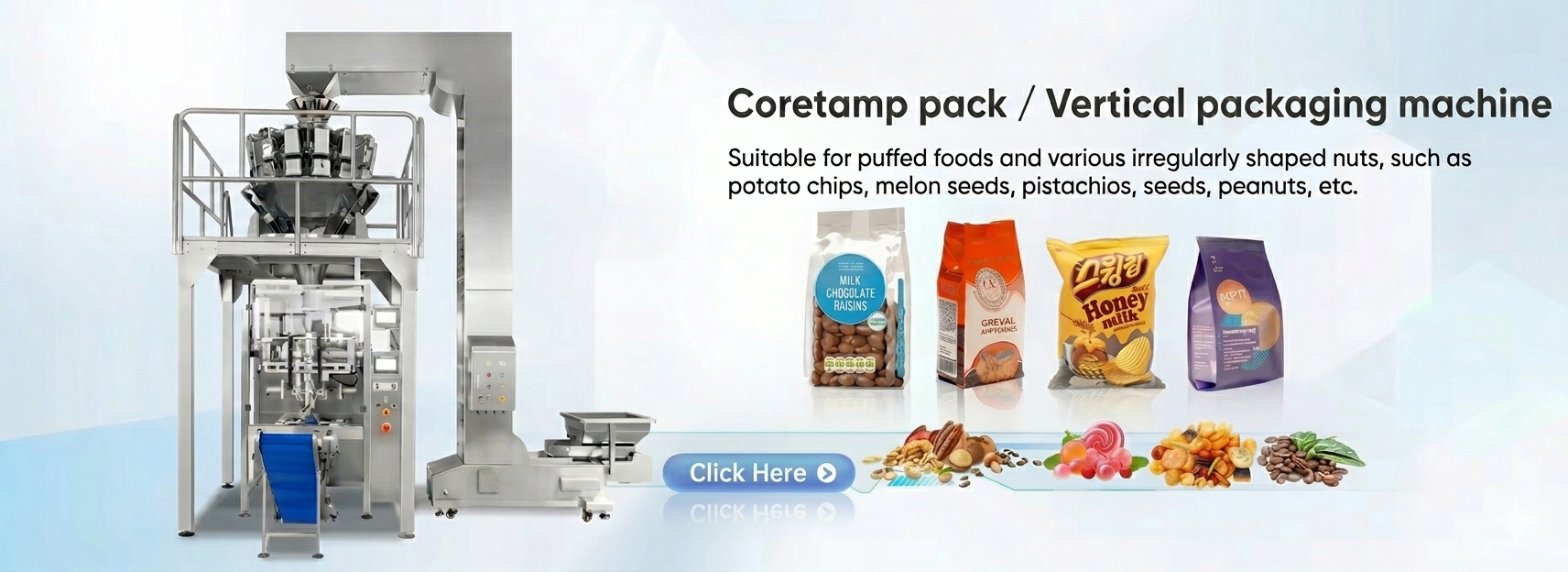
Form-Fill-Seal or Premade Pouch Machine
Finished Bag Conveyor
Checkweigher (Optional, based on project requirements)
Metal Detector (Optional, depending on the product and project requirements)
The final line configuration can be adapted to the available factory space, product handling requirements, and applicable quality control standards.
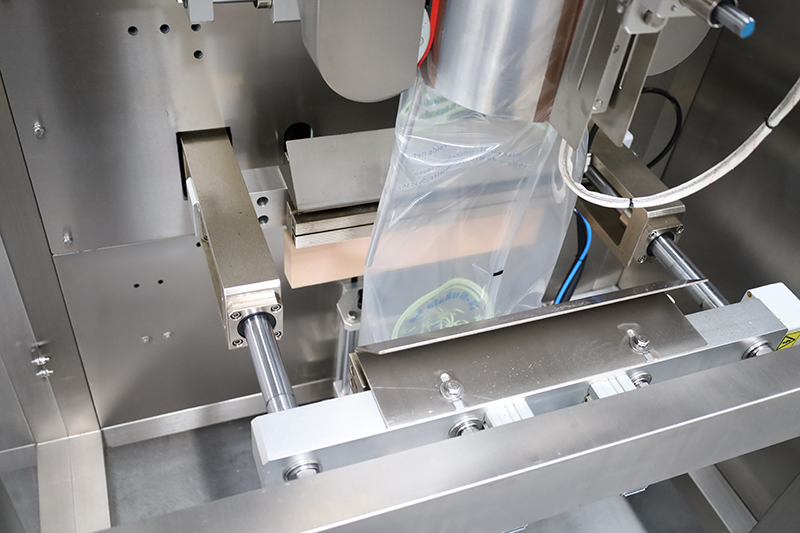
A comprehensive powder packaging selection guide must account for long-term operational costs beyond the initial machinery purchase price:
Maintenance & Hygiene: Consider equipment with easy-access hoppers, removable augers, and designs that facilitate efficient cleaning. For moisture-sensitive powders, dry-cleaning procedures may be more appropriate than washdown methods.
Total Cost of Ownership (TCO): Weigh initial capital expenditure against ongoing labor requirements, film waste, downtime losses, and routine wear-part replacements.
Future-Proofing: Ensure the machine frame and control systems can accommodate higher speeds, additional pouch sizes, or future integration with automated upstream and downstream equipment.
To receive an accurate engineering proposal and equipment recommendation, share your project details with our technical team:
Target Product: Specific formulation, bulk density, and flow characteristics.
Package Specifications: Desired bag style (sachet, stick pack, premade pouch, or pillow bag) and dimensions.
Capacity Goals: Target fill weight per bag and required production speed (bags per minute).
Contact Coretamp today with your product samples and production targets to receive a custom solution proposal.


Copyright © CoreTamp All Rights Reserved | Sitemap | Powered by 
