




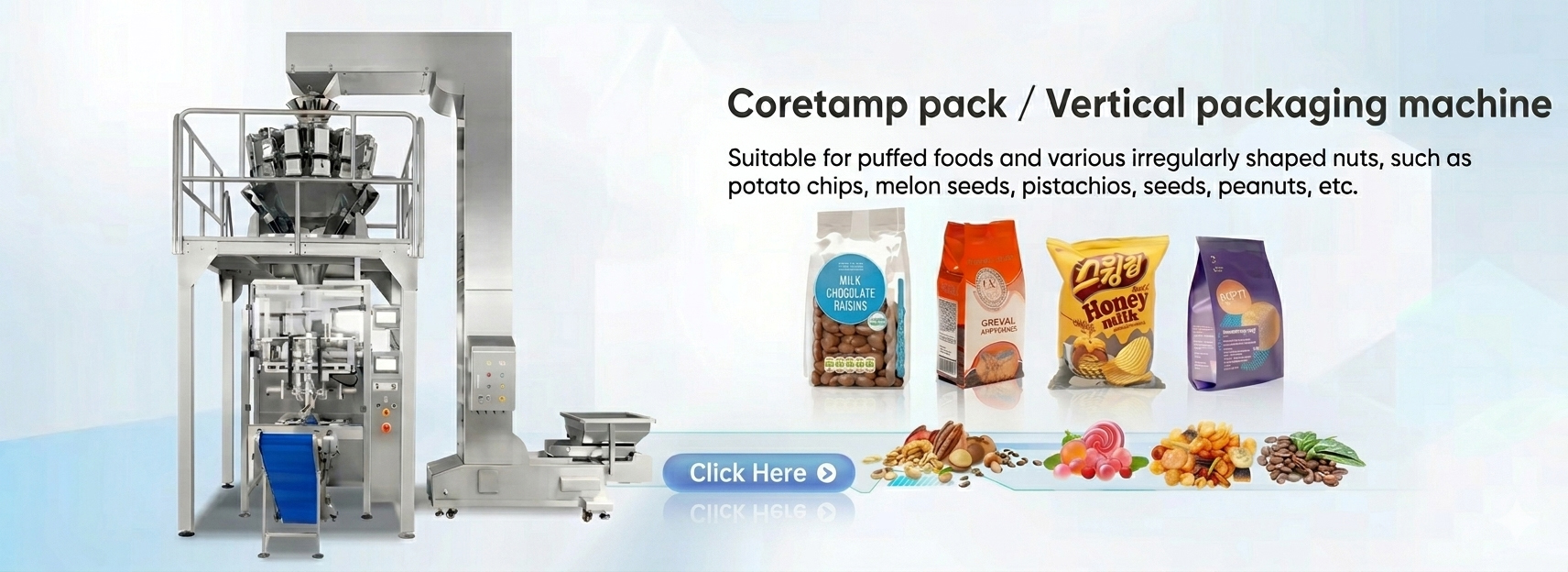
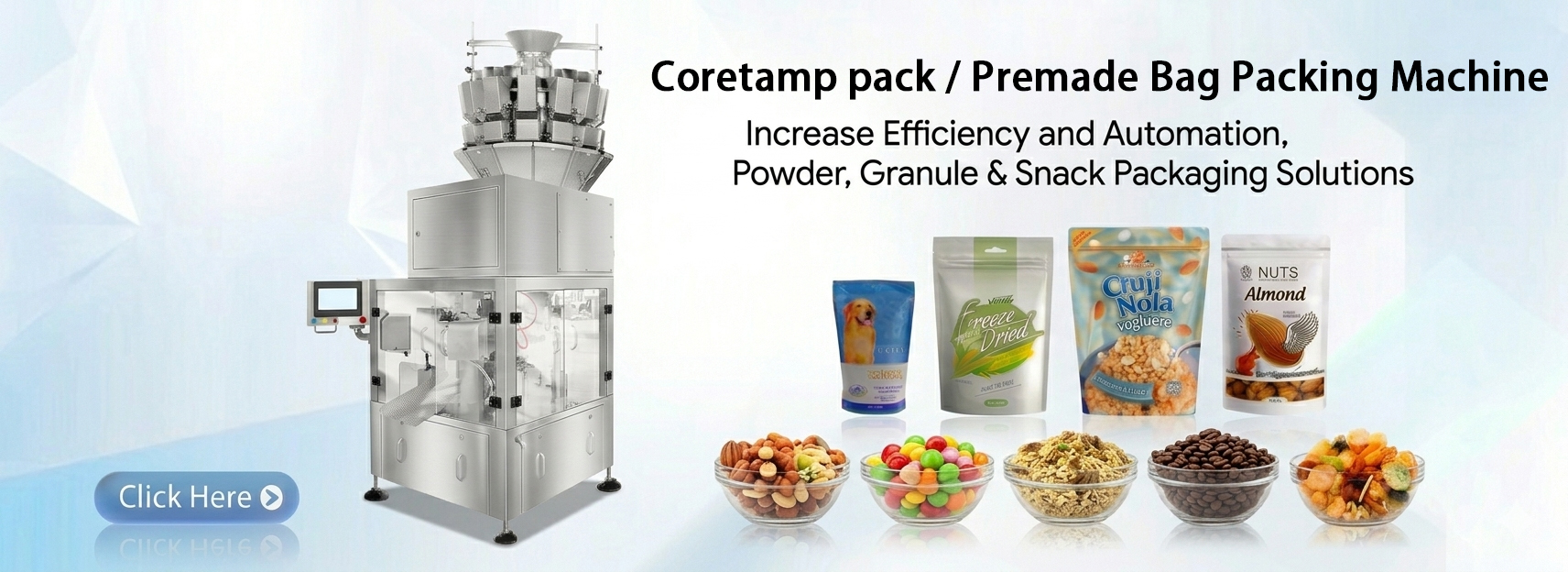
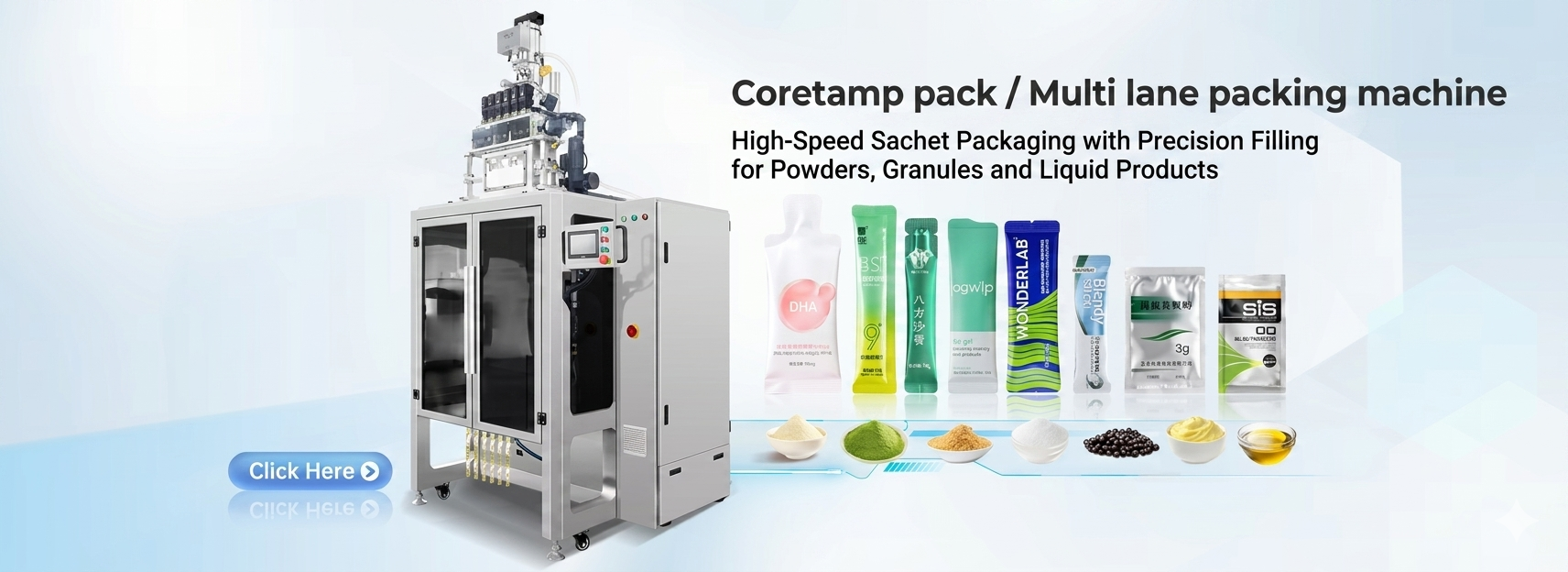
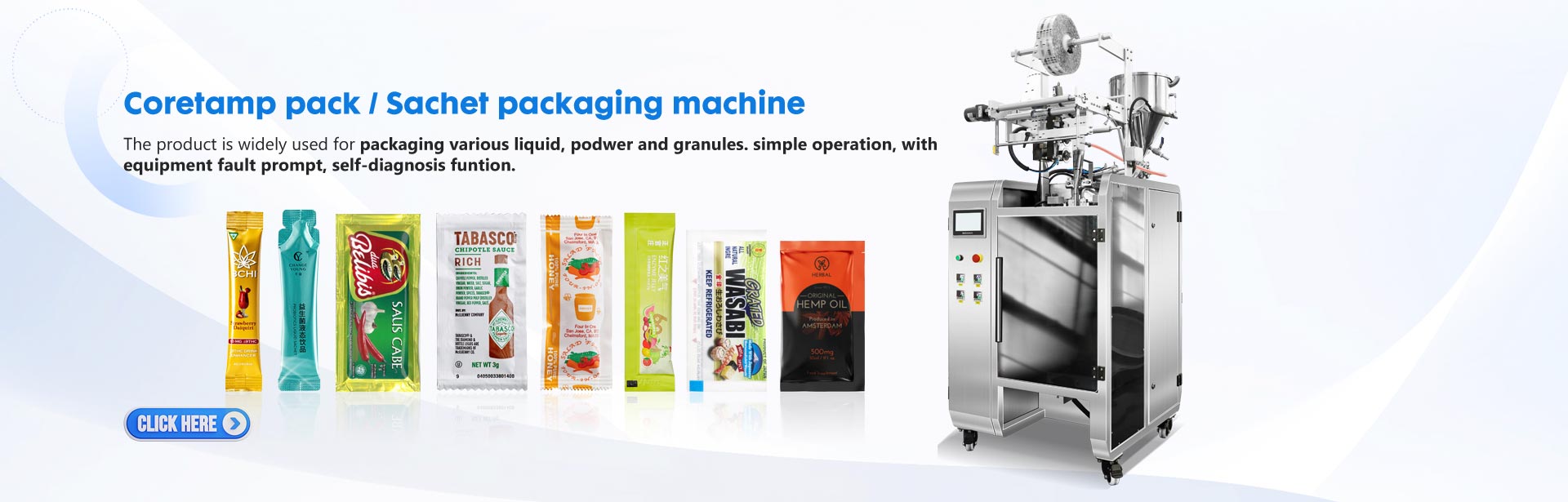
Professional protein powder packaging solutions are designed to address these challenges by combining precise filling technology, dust control systems, flexible packaging formats, and automated production processes. With the right packaging configuration, supplement brands can improve efficiency, reduce material waste, and deliver consistent products to consumers.
Unlike many free-flowing granular products, protein powders are lightweight, fine, and often difficult to handle during automated packaging. Dust generation, inconsistent powder flow, moisture sensitivity, and frequent product changeovers can create challenges for supplement manufacturers.
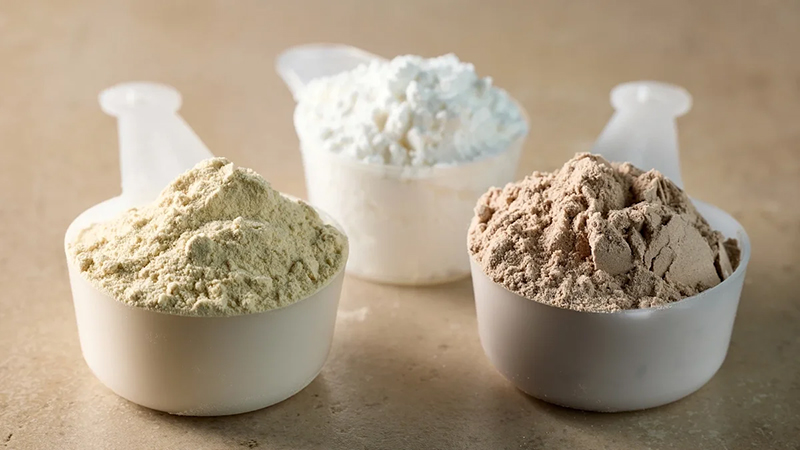
Protein powder packaging requires careful consideration of product characteristics and production requirements. Different formulations, including whey protein, plant protein, collagen powder, and nutritional blends, may behave differently during filling and sealing.
Protein powders usually have low bulk density and fine particle sizes. During high-speed filling, powder particles can become airborne and create dust around the sealing area.
Excessive dust can affect:
Filling consistency
Seal quality
Equipment cleanliness
Production efficiency
A suitable protein powder packaging system should include enclosed feeding areas, optimized auger designs, and effective dust management to maintain stable operation during continuous production.
Protein supplements often use premium ingredients with relatively high material costs. Small variations in filling weight can increase product giveaway and reduce profitability over long production runs.
A dedicated protein powder filling machine uses precision auger filling technology to control powder dosing according to target weights. The filling system can be customized based on:
Powder density
Particle size
Package weight
Required production speed
For brands producing multiple protein products, adjustable filling systems also allow faster product changeovers between different formulas and package sizes.
Many protein powders are sensitive to humidity. Exposure to moisture during packaging and storage may lead to powder clumping, reduced flowability, and changes in consumer experience.
Reliable packaging solutions focus on:
Sealed powder transfer
High-barrier packaging materials
Stable heat sealing
Optional nitrogen flushing systems
By protecting the product during the packaging process, manufacturers can maintain better shelf stability and product consistency.
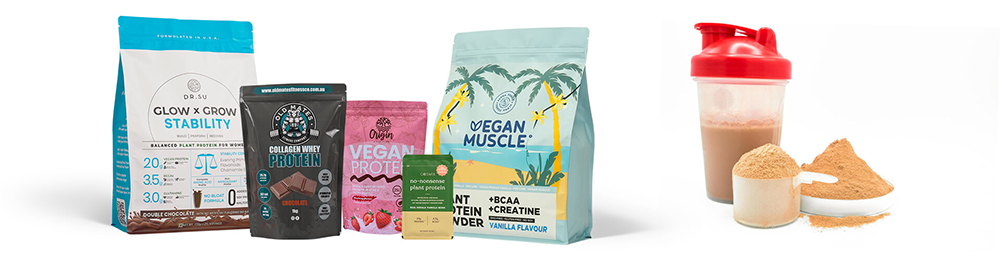
Different supplement products require different packaging approaches. The ideal solution depends on the target market, package size, production volume, and product characteristics.
Large retail protein powder products are commonly packaged in stand-up pouches, zipper bags, or larger flexible bags.
For these applications, manufacturers typically require:
Accurate filling for larger weights
Strong sealing performance
Attractive package appearance
Easy consumer opening and resealing
A customized protein powder packaging machine can integrate with pouch packaging systems to create consistent and professional retail packaging.
Single-use protein sachets are increasingly popular among fitness consumers, travelers, and promotional campaigns.
A protein powder sachet packaging machine can automatically complete:
Film forming or pouch loading
Powder dosing
Sealing
Date coding
Sachet packaging provides convenience while allowing supplement brands to introduce trial sizes and portable products.
Many supplement manufacturers produce multiple formulas for different brands. This requires packaging equipment with strong flexibility.
A customized system should support:
Different powder formulas
Multiple filling weights
Various bag sizes
Quick changeovers
Flexible packaging solutions help contract manufacturers improve production efficiency while reducing downtime between orders.
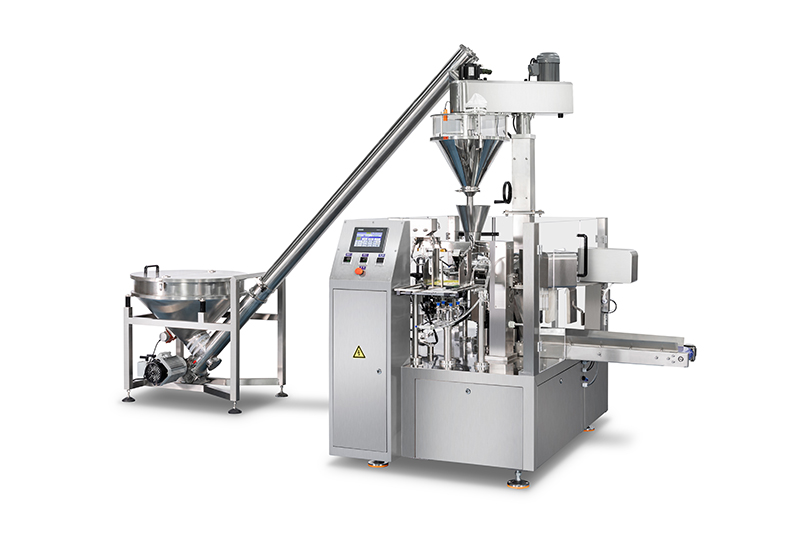
The filling system is one of the most important components of protein powder packaging equipment.
Protein powders are commonly handled using auger filling systems because they provide accurate control for fine and non-free-flowing materials.
The system can be adjusted according to powder behavior through:
Customized auger screw design
Hopper agitation
Servo motor control
Filling parameter adjustment
This allows manufacturers to achieve stable dosing performance across different protein formulations.
Maintaining a clean packaging environment is essential for supplement production.
Modern systems can include:
Closed hopper structures
Dust extraction units
Sealed filling tubes
Optimized sealing areas
These features help reduce airborne powder contamination and improve overall packaging reliability.
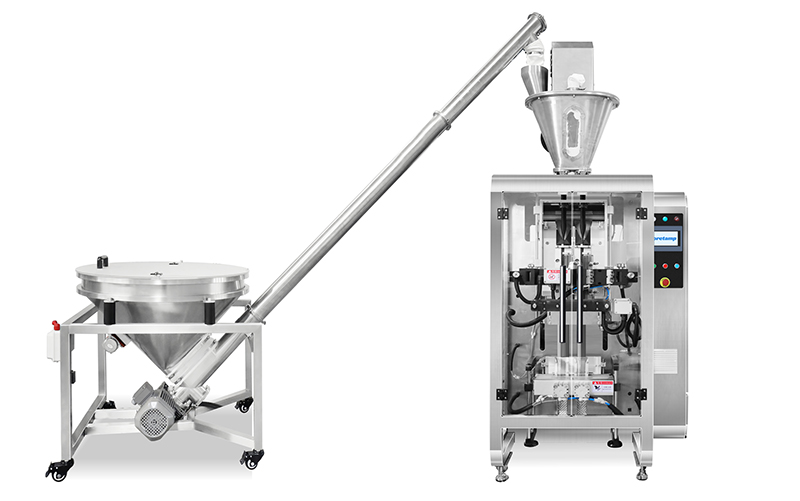
For manufacturers requiring higher production capacity, a complete supplement packaging line can connect multiple processes into one automated workflow.
A typical production line may include:
Powder Feeding → Filling → Bag/Pouch Packaging → Sealing → Inspection → Coding → Secondary Packaging
Depending on production requirements, additional equipment can include:
Vacuum powder conveyors
Automatic feeders
Checkweighers
Metal detectors
Cartoning systems
An integrated packaging line reduces manual handling and allows different machines to communicate through a centralized control system.
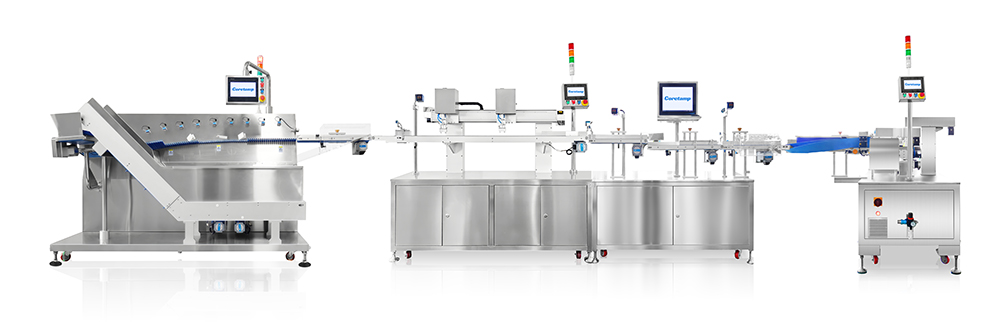
Protein supplement brands commonly choose different packaging formats based on their market positioning.
Stand-up pouches are widely used for retail protein powders because they provide:
Large printing areas
Convenient storage
Resealable zipper options
Sachets are suitable for:
Trial packs
Travel-size products
Single consumption portions
Bulk protein products often require larger packaging formats designed for fitness centers, commercial users, and frequent consumers.
The correct format depends on product positioning, customer preferences, and production requirements.
Every protein powder manufacturer has different requirements. A successful packaging solution should be developed according to the actual product characteristics and factory conditions.
Before designing equipment, manufacturers should evaluate:
Powder flowability
Bulk density
Filling weight
Package format
Production speed
Future product expansion plans
Through product testing and engineering analysis, packaging equipment can be configured to achieve stable performance and long-term production reliability.
From small supplement brands to large-scale nutrition manufacturers, customized protein powder packaging solutions provide the flexibility needed to support efficient and consistent production.
What types of protein powders can be packaged automatically?
Automatic systems can handle various powders, including whey protein, plant-based protein, collagen powder, meal replacement powders, and nutritional blends.
What filling system is suitable for protein powder?
Servo-driven auger filling systems are commonly used because they provide accurate dosing performance for fine and lightweight powders.
Can protein powder be packaged into sachets?
Yes. Protein powder sachet packaging machines can produce single-serve sachets with automated filling and sealing processes.
Can one packaging system handle different supplement products?
Yes. With customized filling components and adjustable parameters, one system can support multiple powder formulations and package sizes.
Choosing the right packaging system requires understanding your product characteristics, production targets, and packaging requirements.
Whether you need retail pouches, single-serve sachets, or a complete automated production line, our engineering team can help develop a customized solution based on your protein powder application.


Copyright © CoreTamp All Rights Reserved | Sitemap | Powered by 
