




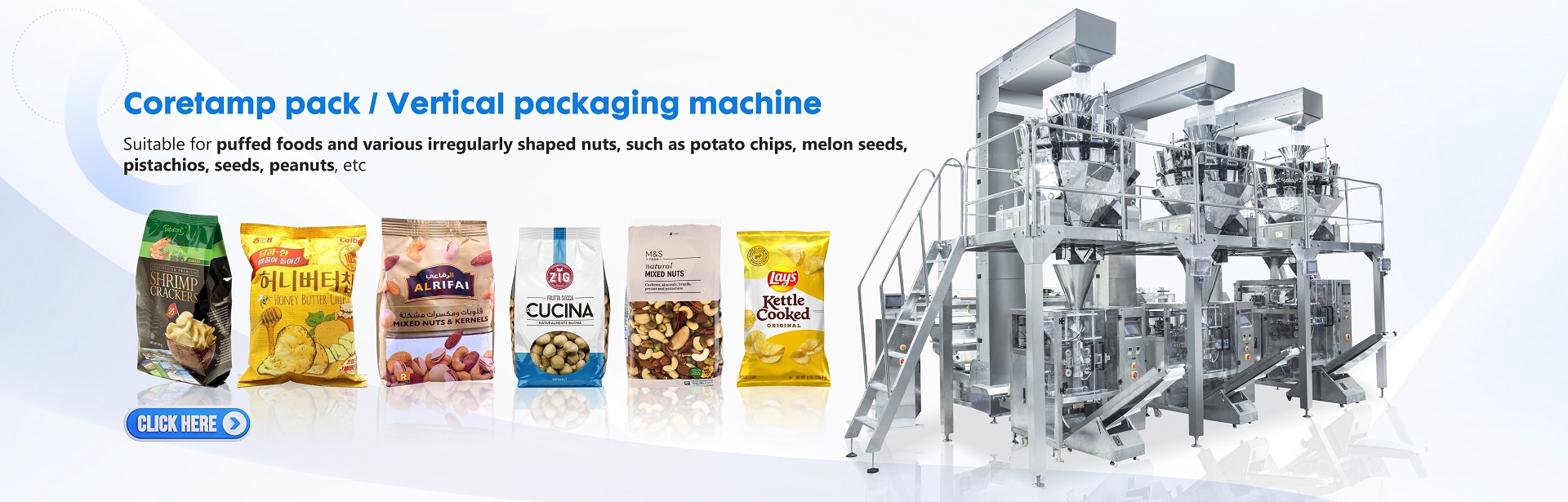
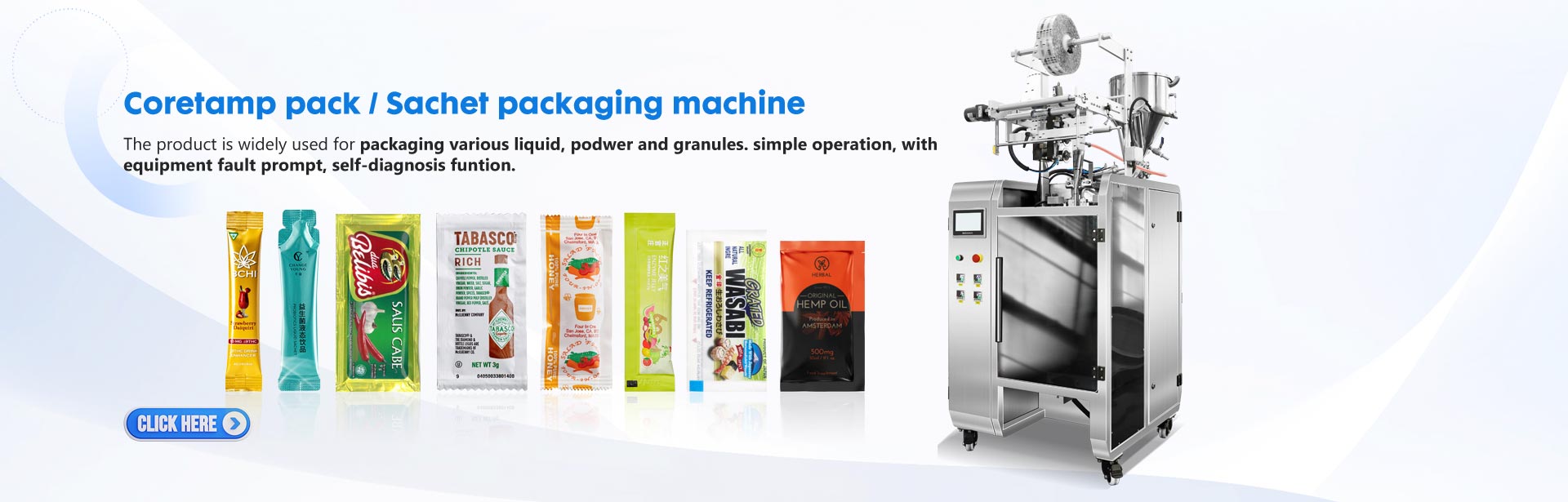
At the center of this change is the powder packaging machine, a smart system built to meet today’s global market demands.
Transitioning away from manual weighing, the contemporary powder packaging line represents a seamless integration of mechanical engineering and smart software. This ensures that every milligram is accounted for while maintaining the highest levels of hygiene.
For more information: Powder Packaging Machine: Guide for Business Applications
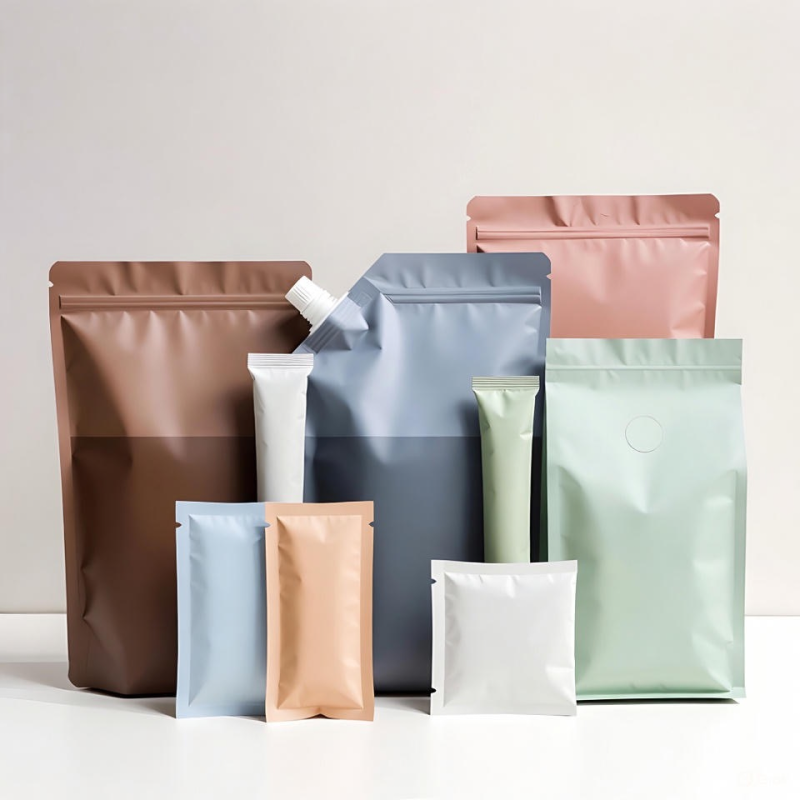
To appreciate the efficiency of a high-speed line, one must understand the technology that moves and measures the material. Powders are inherently difficult to manage; they can be free-flowing or non-free-flowing, often clumping due to humidity or static.
The Screw feeder is the essential first stage of this process. It functions as the primary transport mechanism, moving powder from a floor-level hopper into the dosing unit. By utilizing a rotating helical screw within a sealed tube, the Screw feeder ensures a consistent flow of material. This enclosed design is critical for preventing contamination and minimizing the creation of airborne dust, which is a common hazard in powder processing facilities.
Once the powder reaches the top of the system, the Auger filler takes control. This component is the "brain" of the dosing process. An Auger filler uses a vertical screw to dispense precise volumes based on the number of rotations.
Since powder density can fluctuate, these fillers are often paired with high-precision scales to provide real-time feedback. This ensures the powder filling and sealing machine produces a weight-accurate package every time, reducing product waste and improving profit margins.
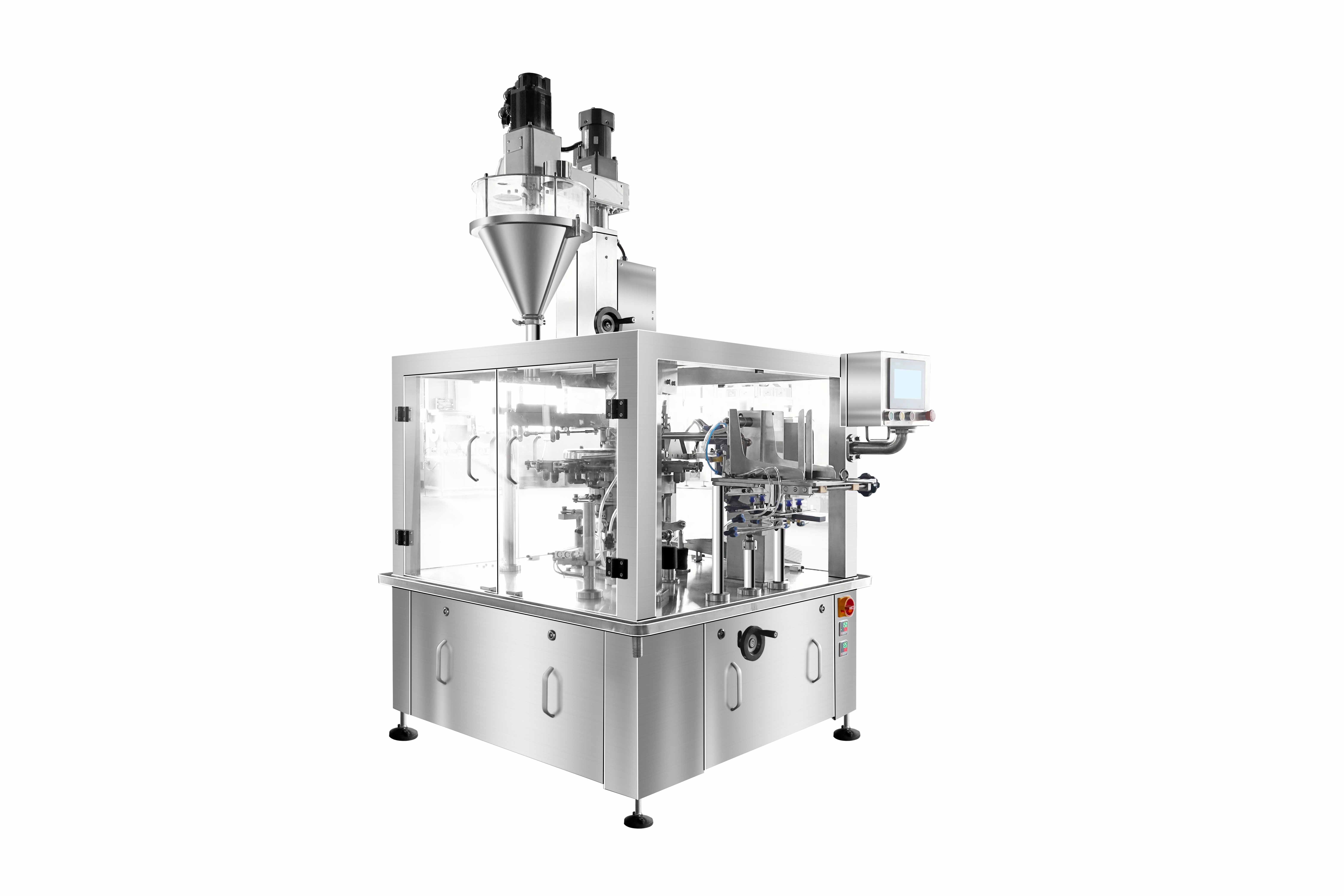
A standalone unit is useful, but a comprehensive powder packaging production line is transformative for scaling businesses. Integration is the primary focus in 2026. A fully automated line typically includes loading systems using a Screw feeder, the core dosing stage powered by an Auger filler, and the final stage where the packaging film is formed and sealed.
By automating these sequential steps, manufacturers can drastically reduce labor costs and eliminate the variability of human error. In sectors where accuracy is vital, like pharmaceutical or chemical reagent production, a professional powder packaging line must perform consistently.
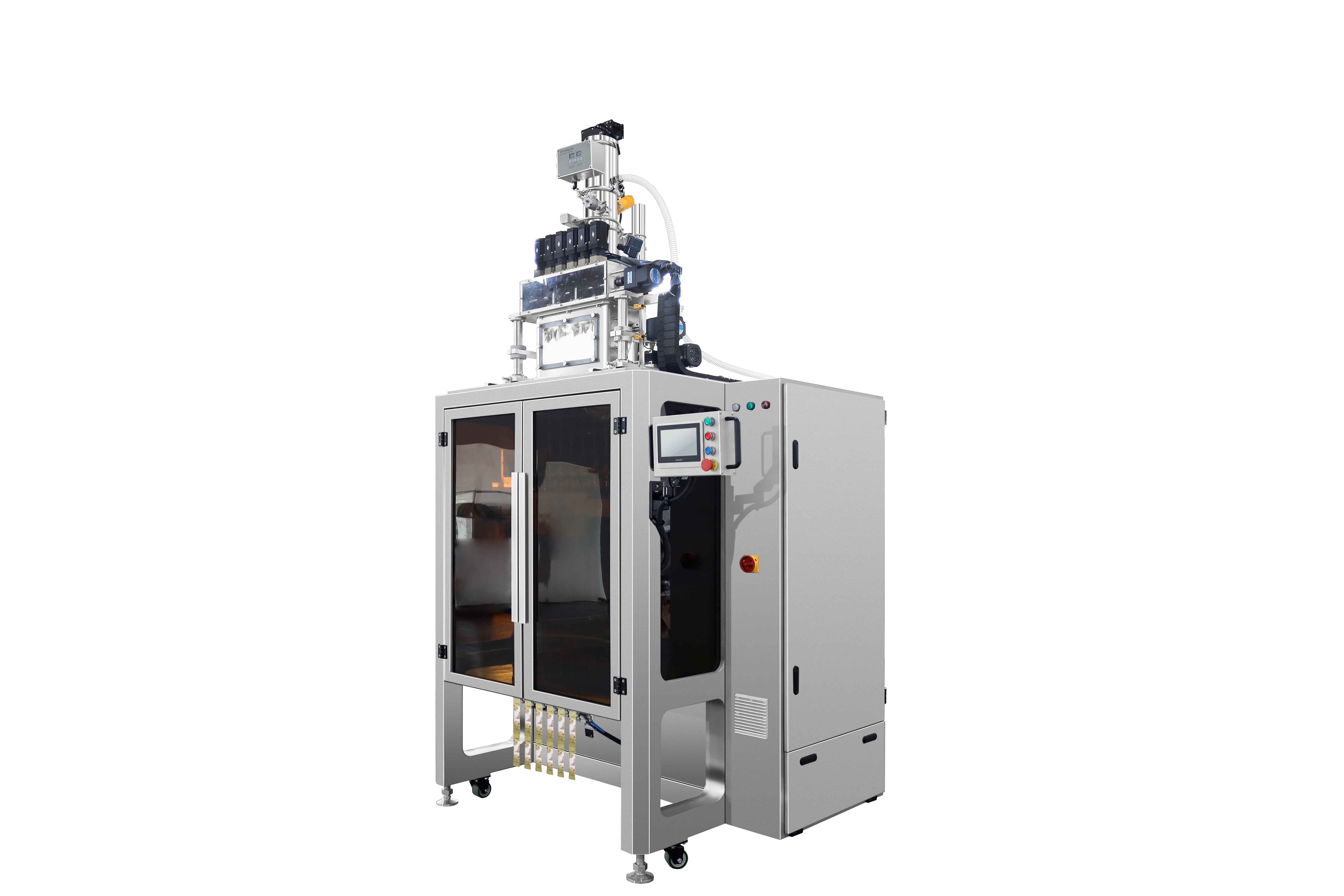
Not all powders behave the same way, and the machinery must be adapted accordingly. A high-quality food powder packaging machine is typically constructed from 304 or 316-grade stainless steel to comply with global health and safety standards like the FDA.
A prime example of specialized engineering is the flour packaging machine. Flour is a notoriously "dusty" product that can interfere with heat-sealing components. A professional flour packaging machine includes advanced dust extraction shrouds to keep the sealing area clean, ensuring an airtight finish that extends shelf life.
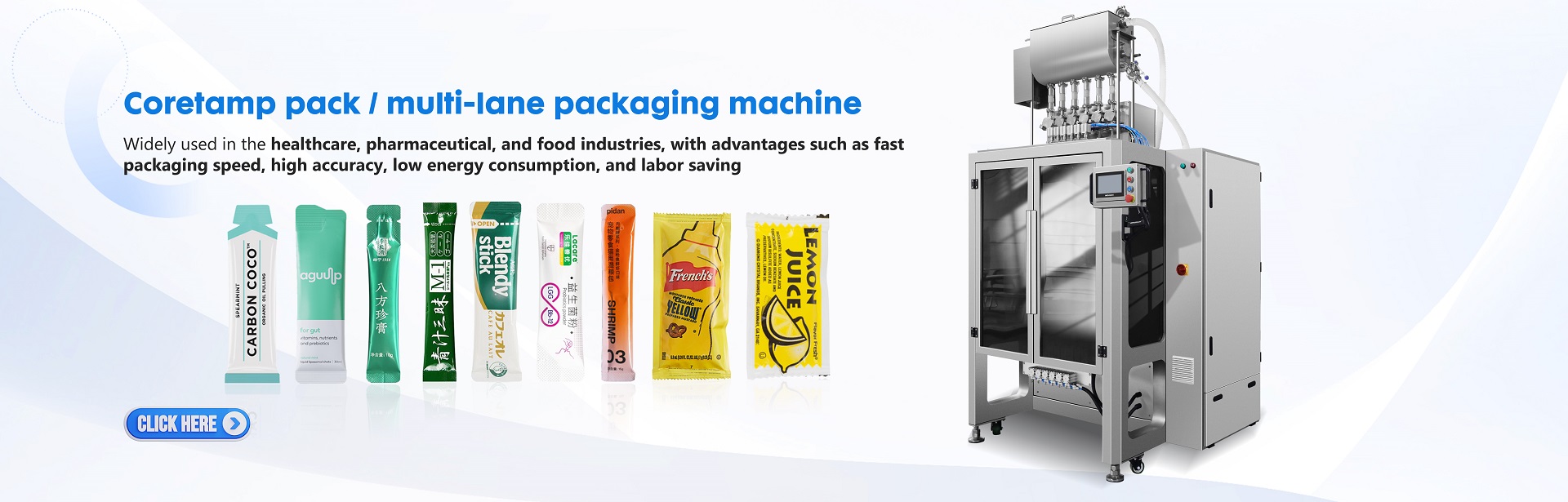
Furthermore, the wellness industry has driven a massive demand for food supplement powder stick pack packaging machines. Consumers now favor portable, pre-measured doses of protein or electrolytes. These machines utilize multi-lane engineering to produce hundreds of slim pouches per minute. Given the high cost of supplement ingredients, the precision of food supplement powder stick pack packaging machines is essential to prevent overfilling and maintain strict quality control.
Selecting a high-performance powder filling and sealing machine is about protecting your brand’s reputation. A machine that fails to provide a perfect seal leads to product leakage and compromised freshness. Moreover, if the equipment is not optimized for your powder’s specific flow characteristics, it can lead to weight inconsistencies that may result in regulatory penalties.
Modern systems feature touchscreen PLC interfaces, allowing operators to switch between different product profiles—such as cocoa powder or sugar—at the touch of a button. These machines also prioritize hygiene. They feature tool-less designs for fast cleaning and washdowns between batches. This is vital for facilities that handle allergens.
Looking ahead, the powder packaging production line is becoming increasingly sustainable. Manufacturers are shifting toward paper-based recyclable films and compostable materials.
This shift requires the powder packaging line to have more advanced temperature control sensors for sealing. Additionally, AI integration now predicts maintenance needs for the screw feeder. It can also recalibrate the auger filler when humidity changes.
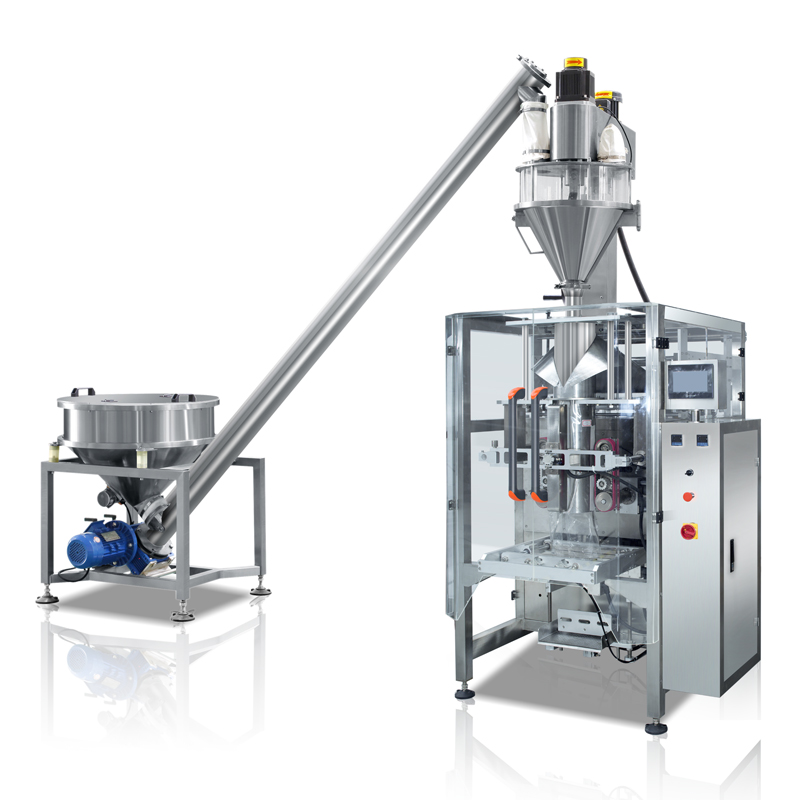
The most effective setup is a vertical form-fill-seal (VFFS) paired with an auger dosing system. This combination provides the best balance of speed, weight accuracy, and dust control.
Yes. By adjusting the speed of the Screw feeder and the rotation of the Auger filler, a single line can be calibrated to handle everything from dense flour to aerated protein powders.
Using food supplement powder stick pack packaging machines allows brands to offer premium, single-serve convenience. This format uses approximately 25% to 40% less packaging material than a traditional sachet, making it both a cost-effective and eco-friendly choice.
Contact us today to learn how our powder packaging line can streamline your production and ensure every sachet is perfectly sealed and consistent.


Copyright © CoreTamp All Rights Reserved | Sitemap | Powered by 
