




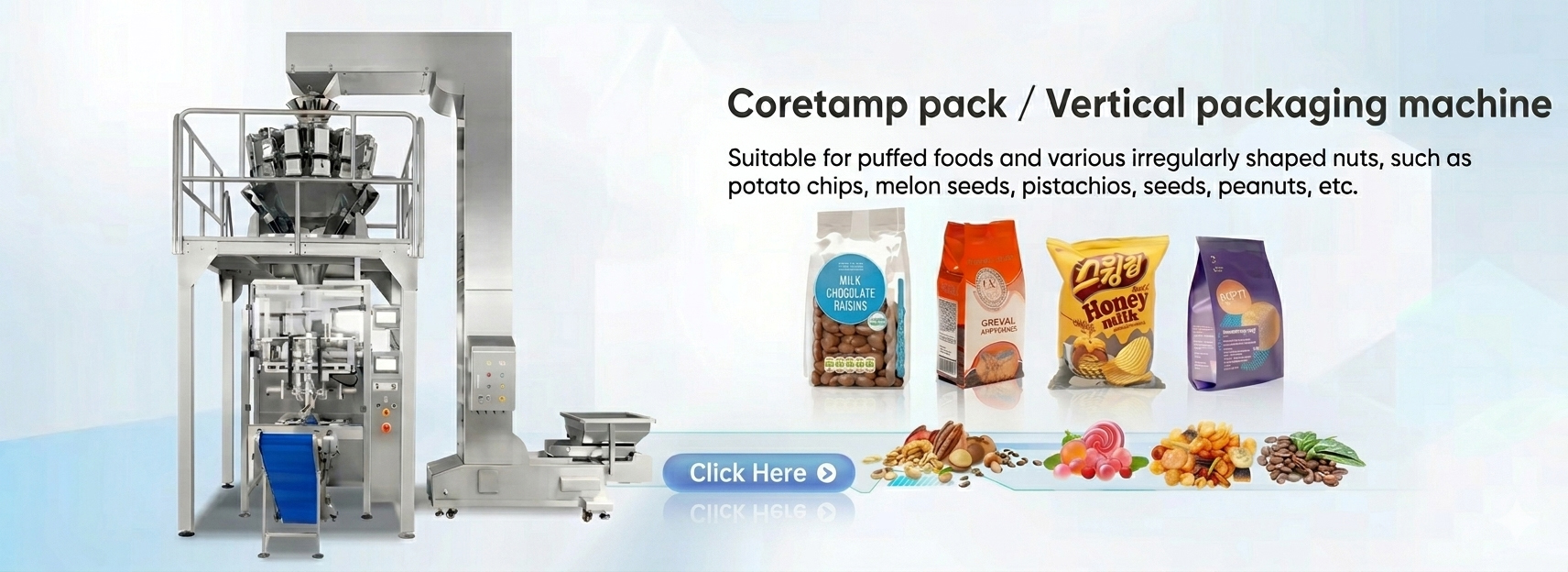
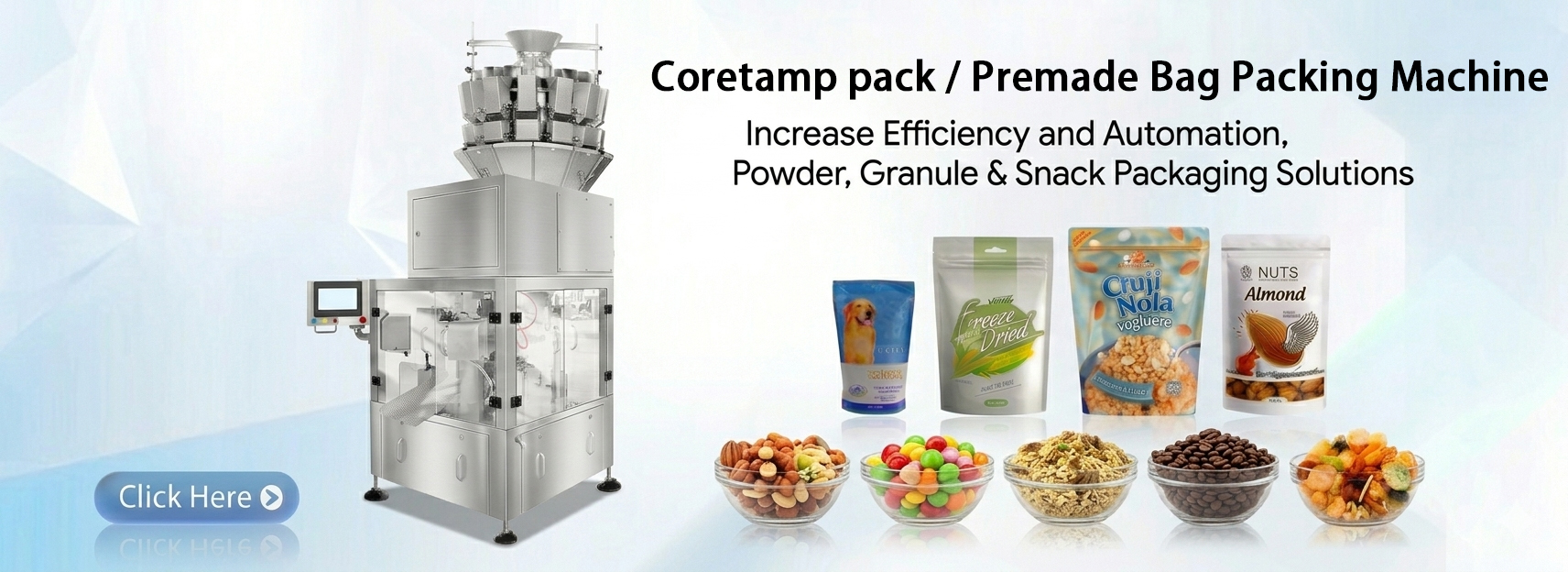
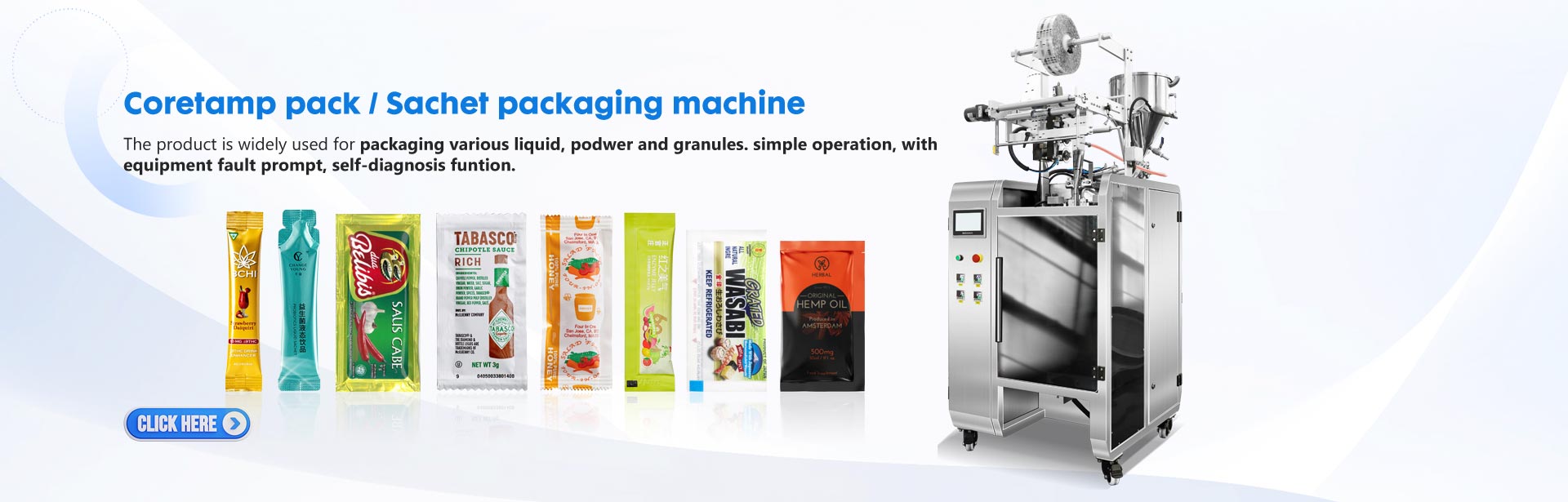
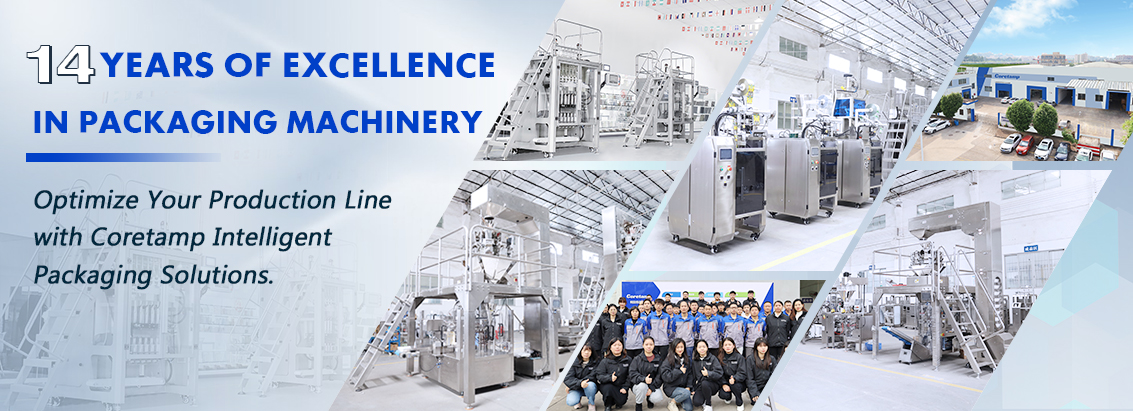
In the competitive landscape of industrial manufacturing, the ability to package fine particulates with speed, precision, and minimal waste is a significant differentiator. From the protein powders on gym shelves to the essential flours in our pantries, the technology behind these products has evolved drastically. At the center of this evolution is the powder packaging line, a comprehensive system designed to handle the unique physical properties of powders while ensuring consistent output and high-speed operation.
Managing powders is notoriously difficult compared to liquids or solids. Powders can be free-flowing, dusty, or prone to clumping depending on ambient humidity and particle size. Therefore, building a successful powder packaging production line requires a deep understanding of both mechanical engineering and material science.
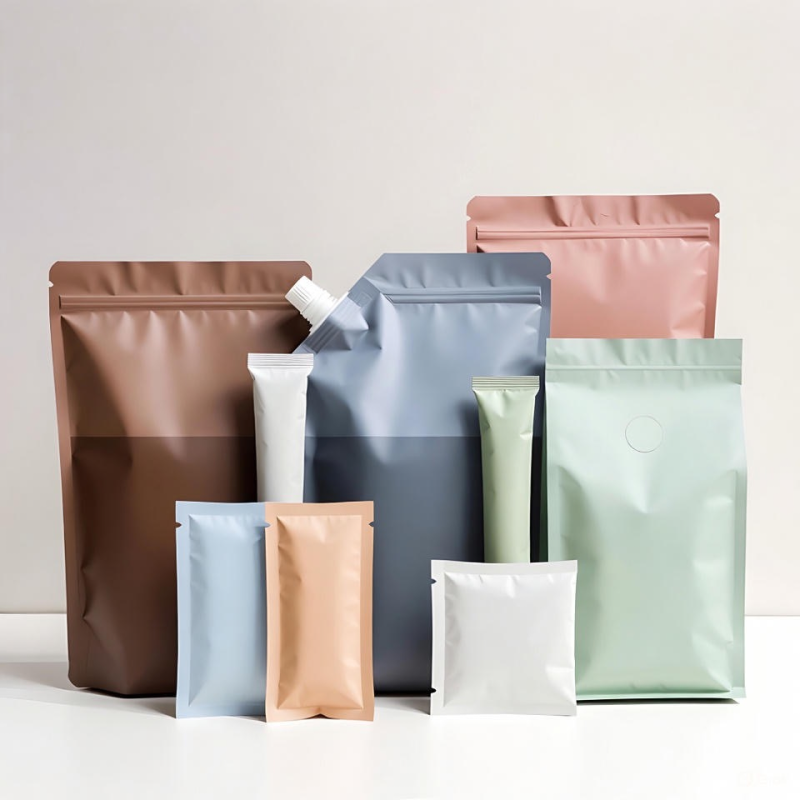
The journey of any powder product begins with how it is transported to the packaging unit. Because manual loading is inefficient and creates excessive dust, a Screw feeder is typically employed. This component uses a rotating helical screw to move material from a ground-level hopper to the top of the filling system. The Screw feeder is essential because it maintains a consistent head pressure of material, which is critical for the accuracy of the subsequent dosing stage.
Once the material is elevated, it enters the Auger filler. This is the "brain" of the filling process. An Auger filler utilizes a vertical screw that rotates a specific number of times to dispense a precise volume of powder into the container. Since the density of powders can change based on how they settle, modern fillers often integrate check-weighing feedback loops. This ensures that even if the powder's density fluctuates, the machine adjusts its rotations in real-time to maintain the exact target weight.
Different sectors require different levels of protection and specialized machinery. In the food industry, hygiene is the paramount concern. A high-quality food powder packaging machine is constructed with stainless steel surfaces and "easy-clean" designs to prevent cross-contamination and meet strict safety regulations.
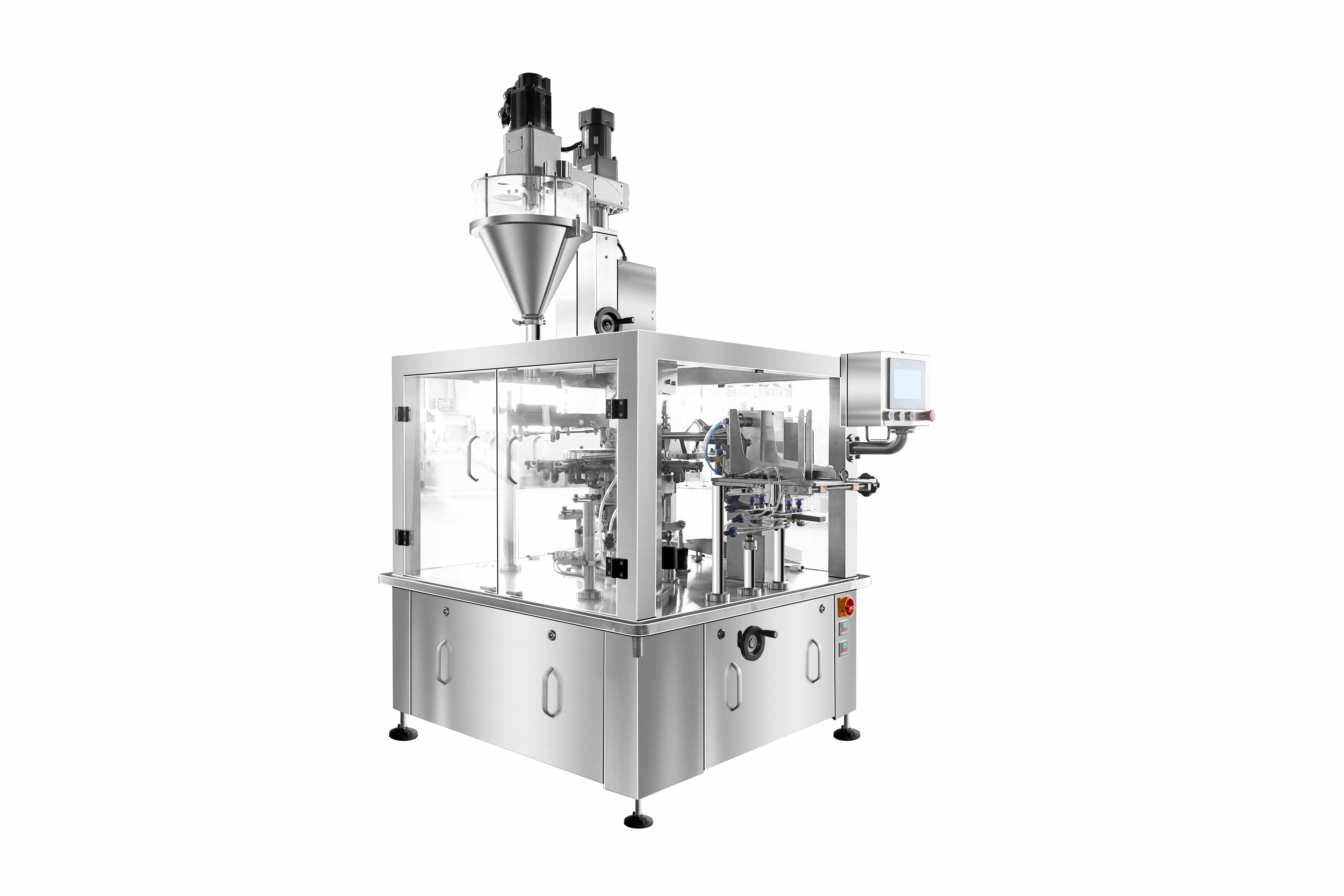
For those in the grain and milling industry, the requirements are even more specific. Fine particulates like wheat or cornstarch are highly airborne and can interfere with the mechanical parts of a machine. This is where a dedicated flour packaging machine comes into play. These machines are often equipped with specialized dust extraction shrouds and "bottom-up" filling capabilities to minimize the cloud of dust during the filling process. By using a flour packaging machine optimized for fine particulates, manufacturers can keep their factory floors cleaner and reduce the risk of dust-related combustion.
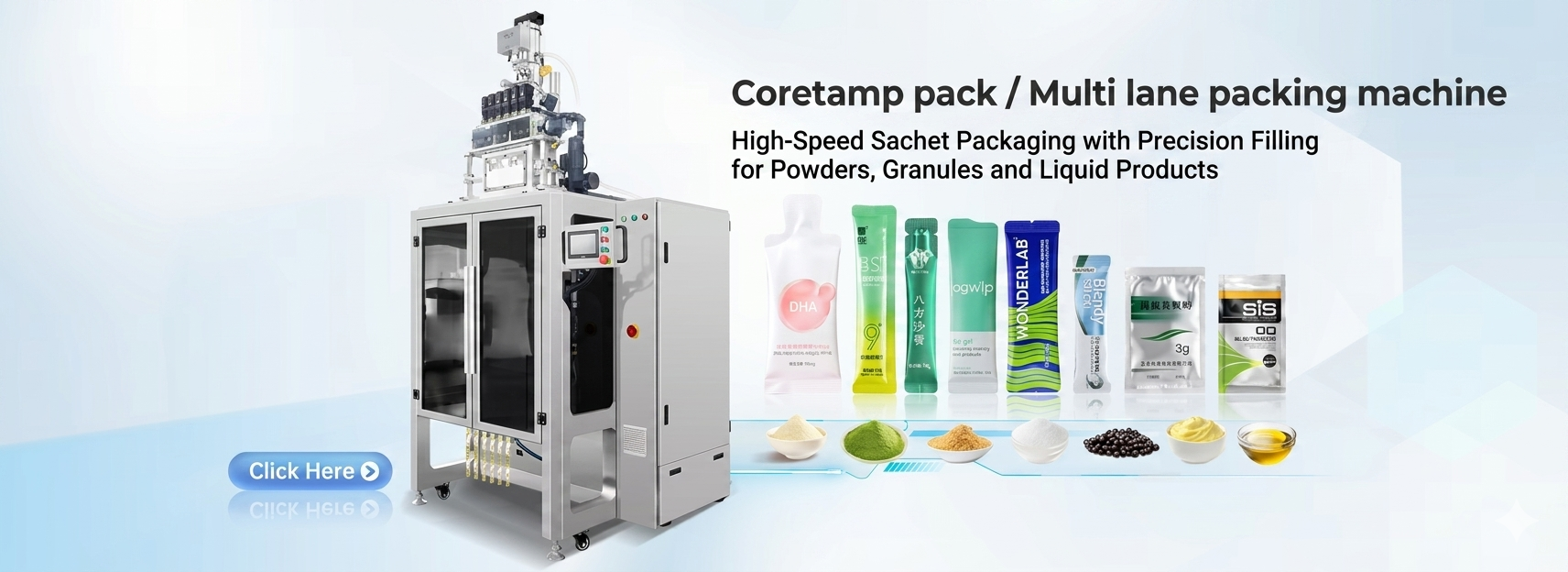
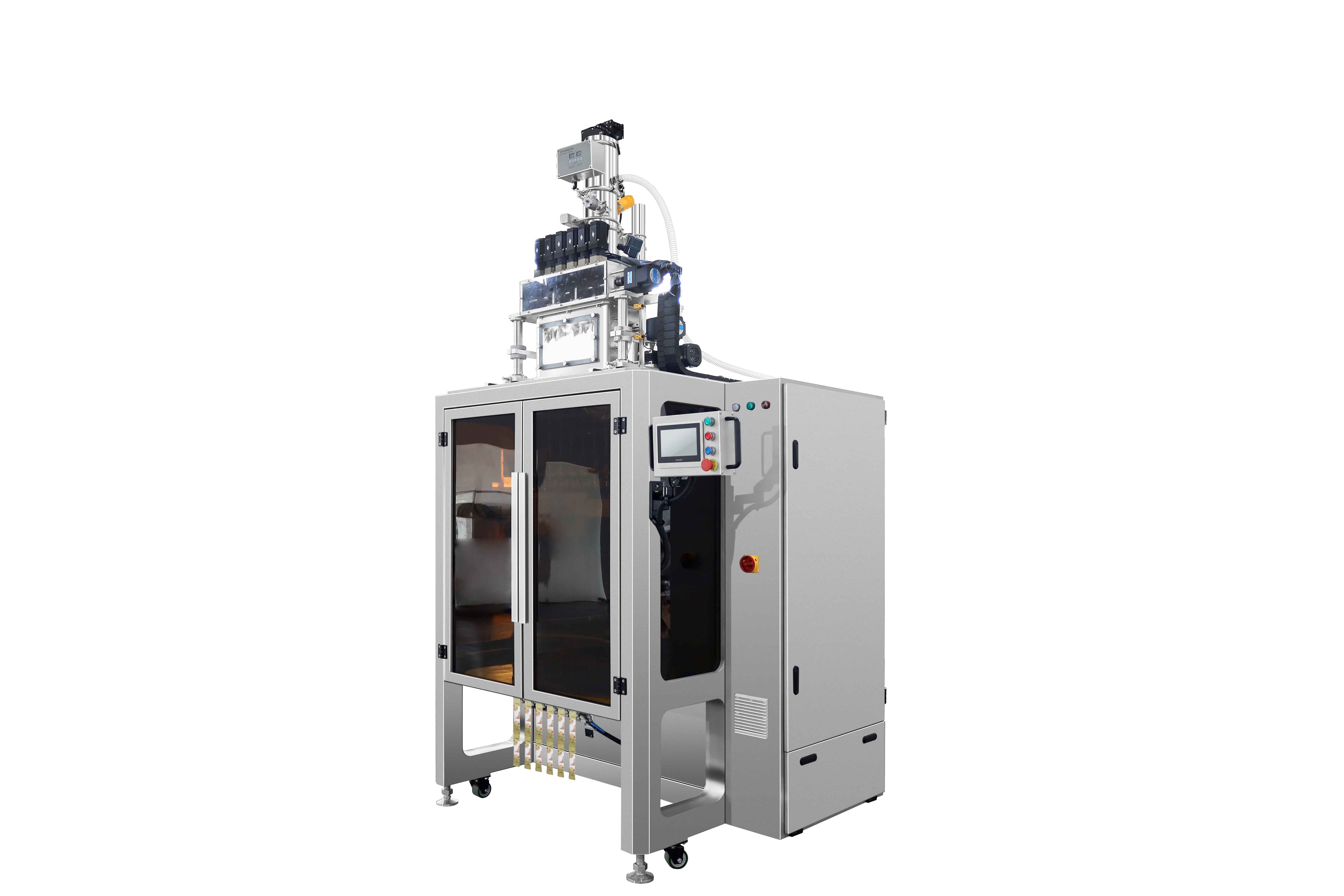
On the other end of the spectrum, the health and wellness industry has seen an explosion in single-serve formats. To meet this demand, manufacturers rely on food supplement powder stick pack packaging machines. These units are designed to produce slim, convenient pouches that consumers can carry easily. Because supplement powders—such as collagen, electrolytes, or pre-workout formulas—are often expensive, the precision of food supplement powder stick pack packaging machines is vital to prevent overfilling and product giveaway, which can eat into profit margins.
A standalone filler is rarely enough for a modern operation. To achieve true scale, a powder filling and sealing machine must be integrated into the workflow. This system takes the raw packaging material—whether it’s a pre-made pouch or a roll of film—and transforms it into a hermetically sealed unit.
The powder filling and sealing machine handles the "forming" of the bag, the "filling" of the powder, and the "sealing" of the top edge in one continuous motion. In 2026, these machines have become smarter, featuring PLC-driven touchscreens that allow operators to switch between different pouch sizes or product densities at the touch of a button. This versatility is what allows a single powder packaging production line to be used for multiple products, maximizing the return on investment for the facility.
When a company decides to upgrade its facilities, the most common question is whether to buy a modular unit or a fully integrated powder packaging machine. For small to medium enterprises, a semi-automatic setup might suffice initially. However, as volume increases, the labor costs of manual bagging become unsustainable.
Investing in a professional powder packaging machine is not just about speed; it is about consistency. Humans get tired and make mistakes; a machine does not. By automating the process, brands can ensure that every bag that leaves the warehouse looks identical, is sealed perfectly, and contains exactly what the label claims. This reliability builds consumer trust, which is the most valuable asset any brand can have.
The future of powder handling is leaning heavily toward sustainability and the "Internet of Things" (IoT). We are seeing a shift where a powder packaging line can now send real-time data to a manager's smartphone, reporting on its efficiency, total output, and even predicting when a motor might need maintenance. Furthermore, as the world moves away from single-use plastics, packaging machines are being redesigned to handle paper-based films and compostable materials that require more delicate temperature controls during the sealing phase.
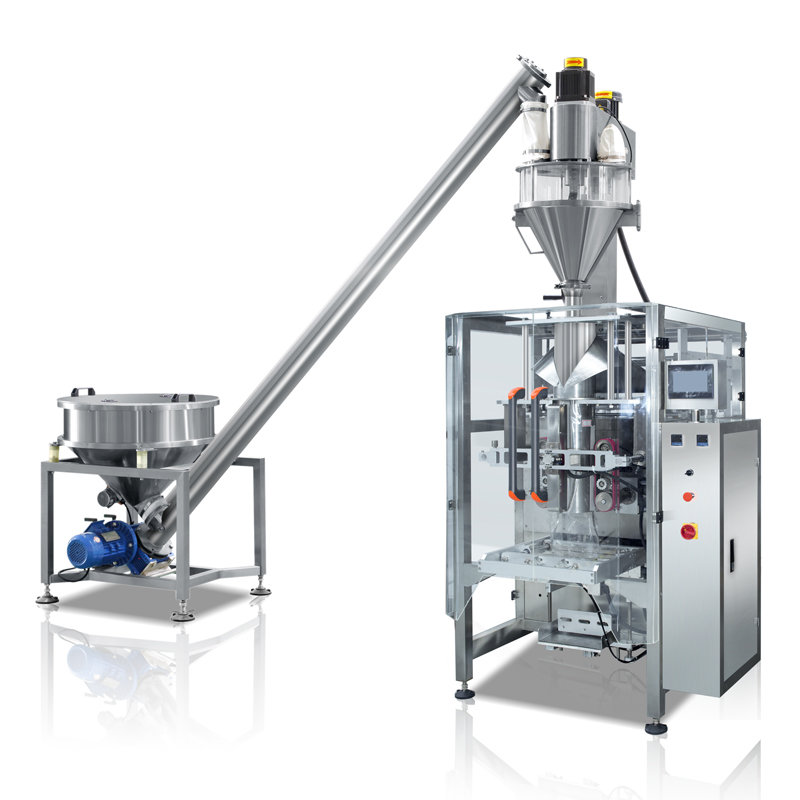
Whether you are looking to install a high-speed powder packaging line to dominate the retail market or you need a specialized food powder packaging machine to ensure the highest safety standards, the technology available today is more capable than ever. By combining the transport power of a Screw feeder with the precision of an Auger filler, and the speed of a powder filling and sealing machine, manufacturers can create a seamless, high-output environment. In an era where efficiency is the key to survival, having the right powder packaging production line is no longer a luxury—it is a necessity.
1. Quality & Compliance
304/316 stainless steel, FDA & CE certified
Ensures hygienic, dust-free packaging
2. Advanced Technology
VFFS, auger fillers, multi-lane stick pack options
Servo-driven, PLC control, tool-less cleaning
3. Customizable Solutions
Can handle flour, protein, cake mix, baking powder, spice powder
Optional nitrogen flushing, dust extraction, high-speed configurations
4. Global Service & Support
Pre-sale consultation, installation, training
Spare parts & maintenance support worldwide
5. Efficiency & ROI
Reduce labor, eliminate waste, increase throughput
Accurate filling prevents regulatory issues
“Contact us today to learn how our powder packaging line can streamline your production and ensure every sachet is perfectly sealed and consistent.”


Copyright © CoreTamp All Rights Reserved | Sitemap | Powered by 
