




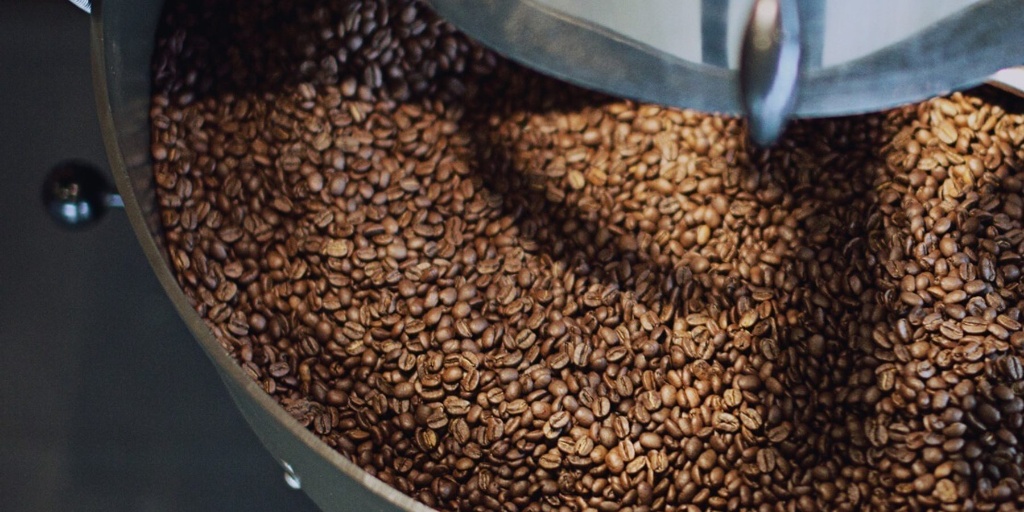
For coffee roasters, freshness starts disappearing the moment roasted beans are exposed to oxygen. In the competitive coffee industry, scaling your production while preserving that vital, freshly roasted aroma is a continuous challenge. While a versatile granule packaging machine can pack many free-flowing solids, even grains or seeds. But its true test of accuracy and freshness is in the coffee sector.
Read more: Granule Packaging Machine: Granule Packing Solution
Transitioning from manual bagging to an automated system is not just about higher output. It is about protecting your brand's quality.
Many coffee brands face significant hidden costs in their packing room. Without the right mechanical configurations, several common production issues frequently compromise both product quality and profit margins:
Aroma Loss and Oxygen Exposure: If beans sit too long in a hopper or packaging is slow, oils evaporate. The coffee can go stale before it reaches retail shelves.
Broken Beans During Conveying: Standard, aggressive auger feeders or harsh bucket elevators can crush brittle, roasted beans. This can cause too much dust and too many broken pieces in the final bag.
Inconsistent Fill Weights: Density varies between light and dark roasts. Lower-tier equipment often struggles with these fluctuations, leading to costly overfills or illegal underweights.
Sealing Failures Caused by Coffee Oils: Oily dark roasts can leave a fine residue on the bag material. If the sealing jaws lack precise temperature control, this oil prevents a proper bond, causing microscopic leaks.
A properly configured coffee bean packaging machine helps minimize these issues, transforming a volatile packaging process into a predictable, stable operation.
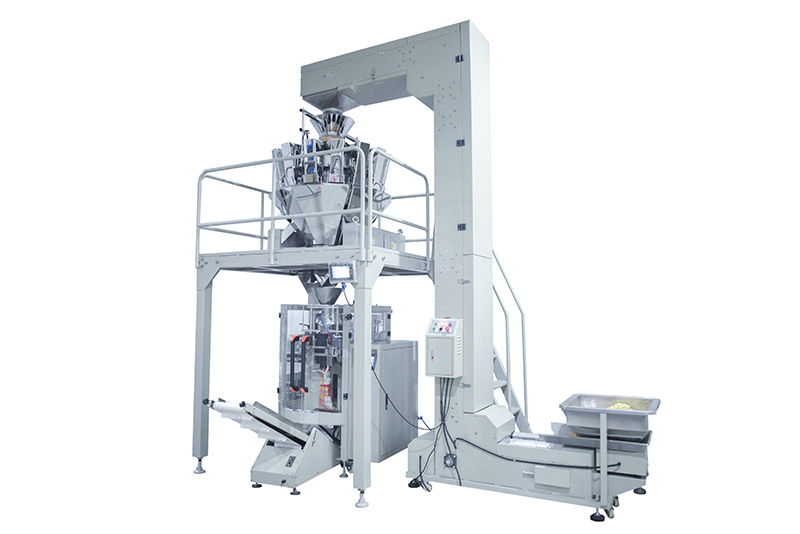
To solve these factory-floor headaches, a modern coffee packaging line combines every stage into one synchronized flow. Instead of treating weighing and bagging as separate tasks, a unified system moves roasted beans gently. It transfers them from the cooling tray into the dosing system. This reduces air exposure and physical damage.
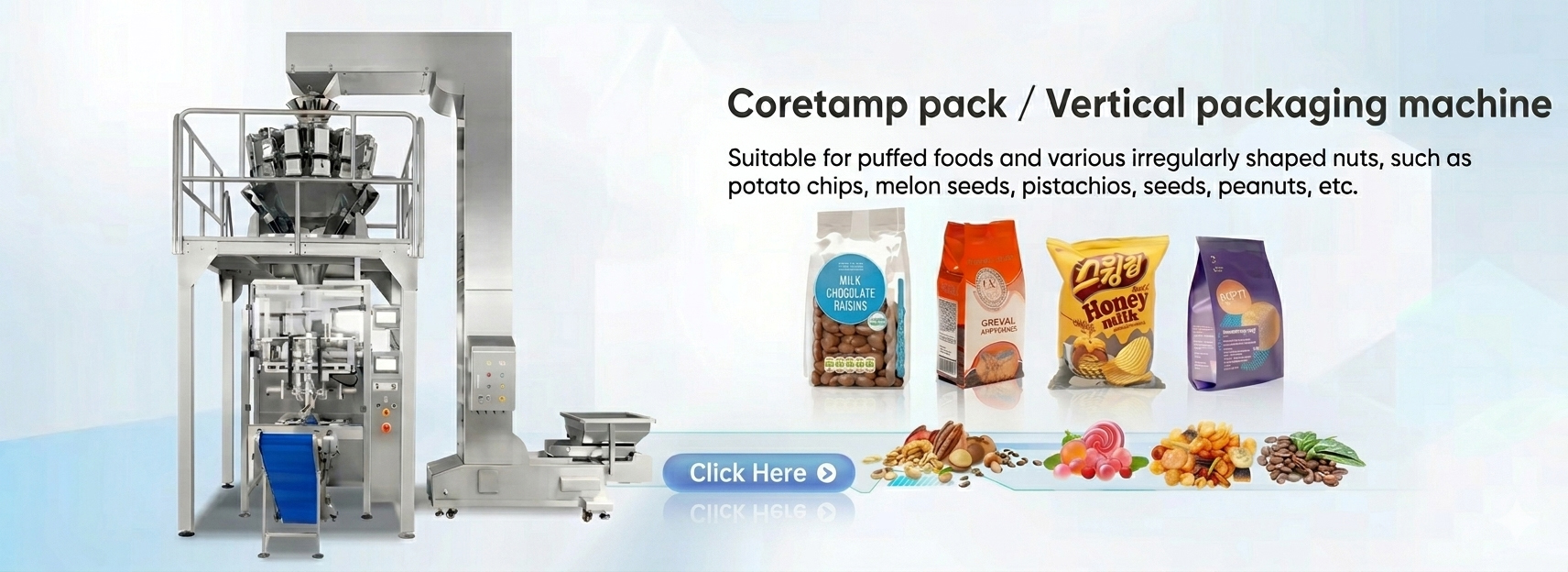
The heart of this setup is often a vffs packing machine. Rather than worry about how the machine moves the packaging film, focus on the result.
It helps coffee brands keep strong, steady seals at high production speeds. Because the product drops straight down by gravity, it cuts handling time and keeps the line running fast. It also helps prevent jams.
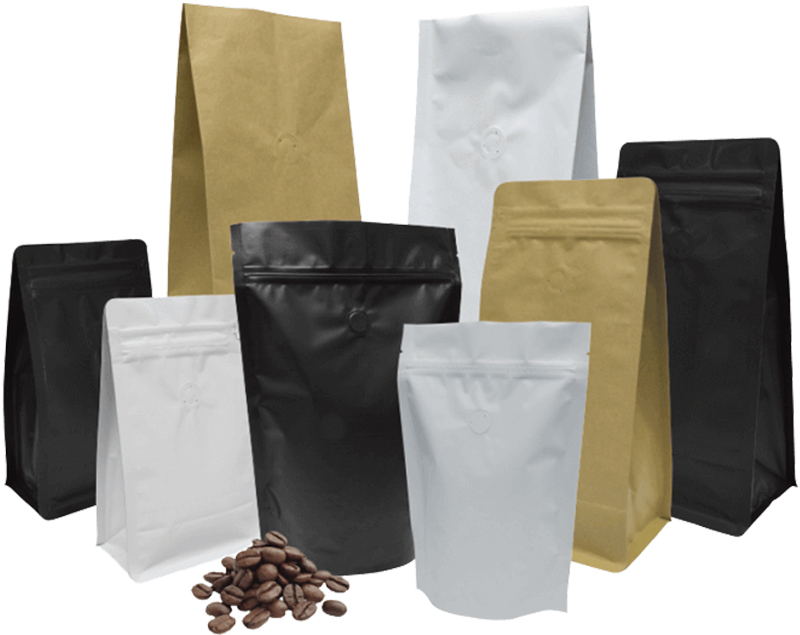
For businesses targeting premium retail sectors, this technology is an ideal coffee pouch packing machine. It makes crisp, well-aligned pillow bags or gusseted pouches. These pouches stand upright and grab attention on supermarket shelves.
As production scales, relying on manual bag feeding becomes a major bottleneck. Upgrading to a fully automatic coffee packaging machine eliminates manual handling entirely, ensuring that every single bag meets strict quality control standards.
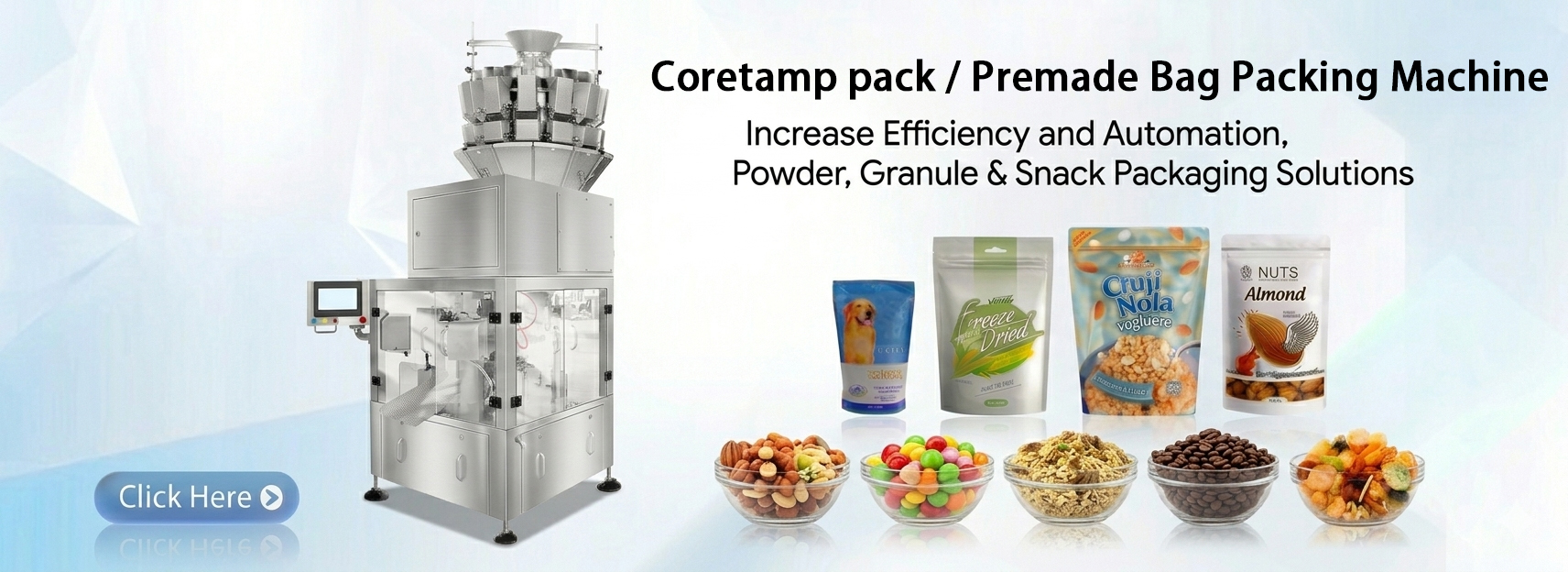
Whether you are using a pre-made bag system or a coffee bag packaging machine that builds the pouch from raw film roll stock, automation brings structural consistency. It ensures that degassing valves are applied in the exact same position every time, preventing bags from puffing or bursting during transport through different altitudes.
More importantly, high-performance systems incorporate a nitrogen flushing packaging machine protocol directly into the sealing cycle. By injecting food-grade nitrogen into the pouch a split second before the final seal is made, the system drives residual oxygen levels down below 1%. This process locks in the original roasting profile, protecting the beans from oxidation and dramatically extending shelf life without requiring chemical preservatives.
Because configuring a line for coffee requires specific adjustments—such as specialized coatings to handle bean oils and gentle feeders to prevent breakage—choosing the right coffee packaging machine manufacturers is a critical business decision.
A reliable industrial partner won’t just sell you a generic granule packaging machine. They also won’t sell a standard seed packaging machine off the shelf. Instead, coretamp will review your roast profiles, target bag styles, and throughput needs. This helps deliver a system that cuts downtime, keeps feeding steady, and prevents sealing failures.
What types of bags can a coffee bean packaging machine produce?
Vertical roll-fed systems make pillow bags, quad-seal, and side-gusseted bags. For flat-bottom pouches or zippered Doypacks, a rotary pre-made pouch machine is best.
Why is nitrogen flushing important for coffee packaging?
It replaces ambient oxygen with inert gas, dropping oxygen levels below 1%. This stops oil oxidation, locks in aroma, and extends shelf life to over a year.
Can one coffee packaging line handle different bag sizes?
Yes. By changing the forming tube (on vertical lines) or adjusting the gripping jaws (on pre-made lines), you can switch sizes in 15 to 30 minutes.
What is the ideal packaging speed for medium-sized coffee roasters?
A steady 30 to 45 bags per minute is ideal. It ensures weighing accuracy while giving the sealing jaws and nitrogen flush enough time to secure a tight seal.
How often should a coffee pouch packing machine be cleaned?
Wipe down dust and surface oil at the end of every shift. Perform a deep clean on the sealing jaws and weigh buckets weekly to prevent residue from ruining seals.


Copyright © CoreTamp All Rights Reserved | Sitemap | Powered by 
