




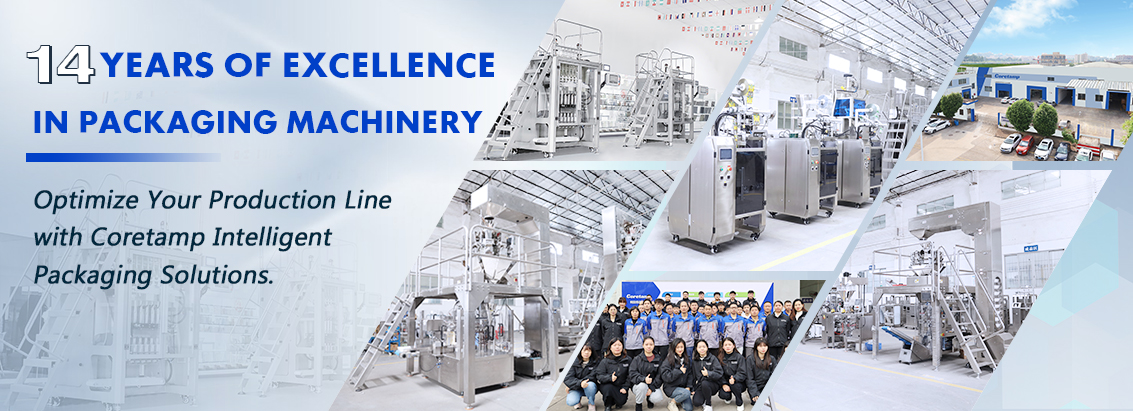
For food and farm businesses looking to scale up, choosing the right granule packaging machine is key. It becomes the main hub for factory automation.
A specialized seed packaging machine line is a dedicated part of this technology. It handles free-flowing, solid particles with high precision.
Investing in an automated seed packaging machine line can improve your facility’s efficiency. It helps you move seeds from bulk harvest to retail-ready distribution faster. It measures, fills, and seals fragile items with no human intervention.
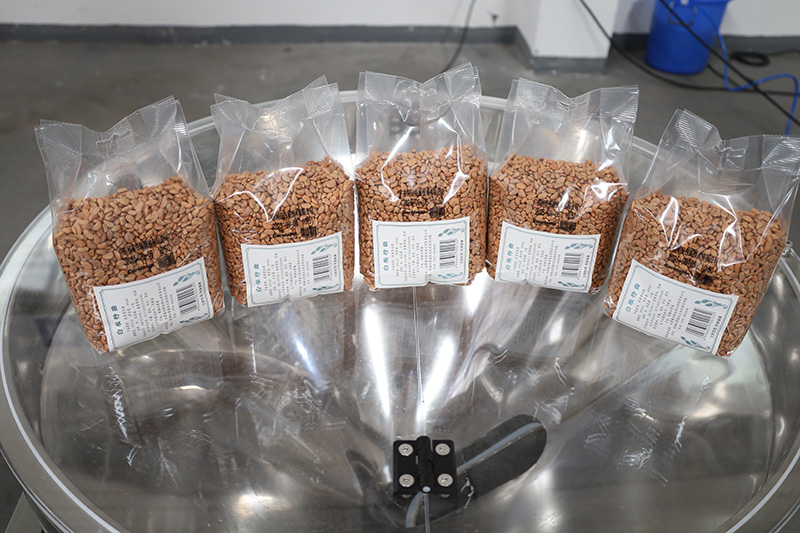
When designing a production floor, establishing a strict engineering boundary between different material states is crucial. Engineers design a grain packaging machine, or automatic seed packing machine, specifically for free-flowing solids. Seeds and granular products rely on volumetric and multi-head weighing systems, which utilize gravity to drop independent particles.
In contrast, a powder packaging machine needs a different technical setup. It often uses vertical auger dosing systems. These systems handle fine particles, usually under 100 microns.
This distinction is vital because powders can clump, bridge, and form heavy dust clouds. They need mechanical fluidization screws. A small granule packing machine focuses on particle flow control, speed, and preventing product breakage.
Today's market demands massive versatility. A single seed packaging machine line must often adapt to various product sizes and shapes without mechanical jamming. For example, a factory line can switch easily. It can go from packing large, uneven sunflower seeds to packing tiny, static-prone chia seeds.
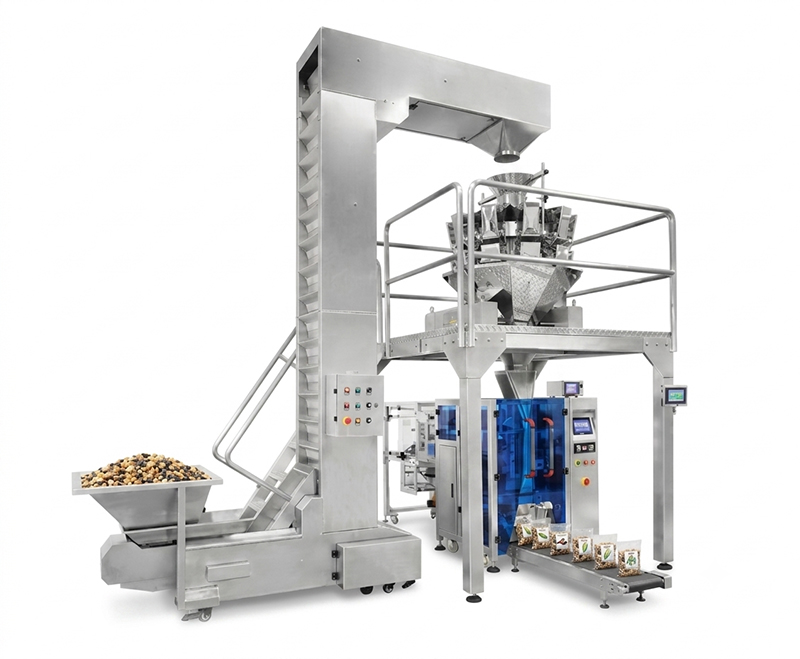
An efficient, fully automated granule line relies on a synchronized, heavy-duty network of components. To maximize output, engineers view the line as three distinct functional tiers:
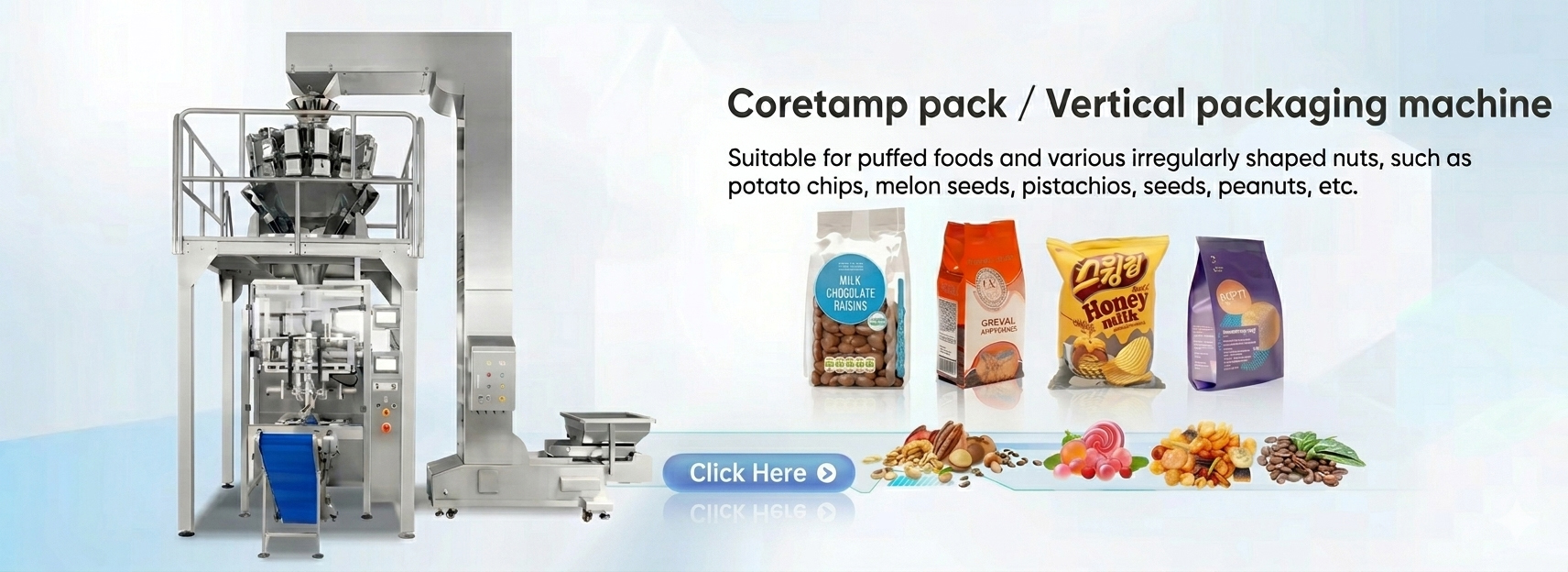
The Feeding Backbone (Z Type Bucket Conveyor): Traditional flat conveyor belts create high friction. This can damage seeds or split their skins. A Z type bucket conveyor lifts seeds vertically and horizontally in separate, food-grade buckets.
It acts as the main feeding backbone. It moves fragile seeds from ground level to the top of the weighing system. It does so gently and without spilling.
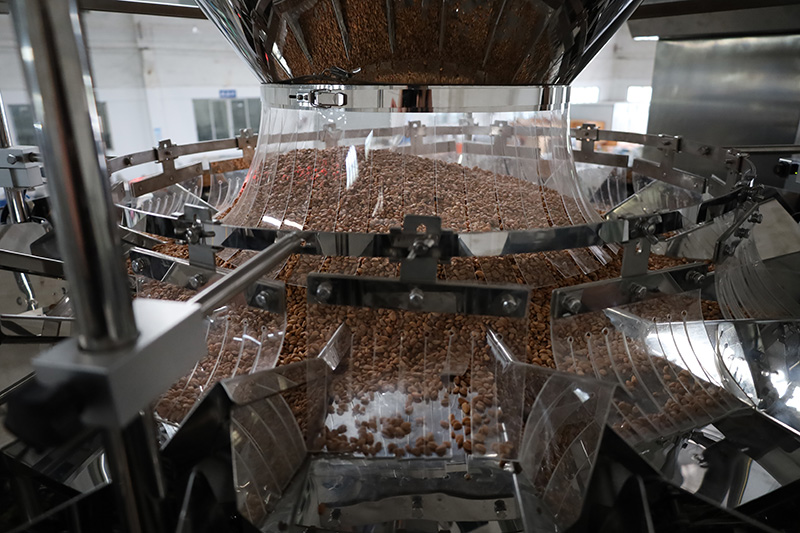
The Decision Engine (Multi-Head Weigher for Seeds): At the top of the line, product is distributed into a high-speed multi head weigher for seeds. This system is the decision engine. It uses multiple computer-controlled dump buckets.
It calculates the best weight mix to hit the exact target weight. It does this in milliseconds. This greatly reduces product giveaway.
Feeding Control (Vibration Feeding System for Granules): To ensure a smooth, continuous flow into the weighing buckets, a specialized vibration feeding system for granules is employed. Controlled electromagnetic vibrations isolate the granules, preventing clumping and ensuring an even, single-layer distribution to the scale hoppers.
The Execution Terminal (Automatic Bag Forming Sealing System): After the weight is calculated, the seeds drop into the vertical form fill seal (VFFS) automatic bag forming sealing system. As the execution terminal, this system takes a flat roll of film, shapes it into a pillow, gusseted, or stand-up pouch, fills it, and heat-seals it in one rapid, automated motion.
In real factories, running a packaging line is not simple. Environmental and material problems often come up. Data sheets rarely mention these issues.
Seed Static Sticking: Ultra-small seeds processed on a chia seed packing machine often generate static electricity, sticking to hopper walls. Professional lines utilize anti-static coatings or ionized air bars to ensure smooth discharge.
High Humidity Feeding: High ambient humidity causes agricultural dust to become sticky, leading to uneven feeding. This requires a finely tuned vibration feeding system for granules with adjustable frequency settings.
Oil Residue Buildup: Running a high-volume sunflower seed packaging machine can leave oily residues inside the weighing hoppers over time. Quick-release, tool-less teardown hoppers are essential for rapid sanitation cycles.
Dust Control: Even though seeds are distinct granules, bulk friction creates fine dust. If this dust gets trapped in the bag seals, it causes weak points and packaging failure. Top-tier lines integrate an anti-dust system for seed packaging featuring localized vacuum hoods at critical drop points to keep sealing jaws perfectly clean.
When you invest in a full seed packaging machine line, the setup controls cost, factory layout, and your ROI. Most industrial projects require custom layout customization to map equipment to existing vertical clearances.
The cross-industry versatility of this technology further secures your investment. For example, a high-quality seed line can also work as a coffee bean packaging machine. It handles roasted coffee beans with the same care. It also keeps weight accuracy and seal integrity needed for premium planting seeds.
Yes. If you are packaging seed mixes (for example, wild bird food), the line can use segmented multi-head weighers.
It can also use multiple discharge hoppers. These help keep the mixing ratio precise in every bag. They also prevent the materials from separating.
Capacity depends heavily on bag volume and material density. Standard small-to-medium systems typically run at 30 to 80 bags per minute. For bulk agricultural grain packaging, heavy-duty industrial systems can process several tons of material per hour using automated multi-lane configurations.
Absolutely. A multi head weigher for seeds is the industry standard for sunflower seeds. Because sunflower seeds have irregular shapes and varying moisture levels, volumetric cups often fail. The independent gravimetric scales of a multi-head system ensure exact weight accuracy regardless of seed size variation.
A powder packaging machine often handles fine dust, while a premium granule line adds an anti-dust system. They use it for seed packaging. This system uses dust extraction ports placed around the forming tube and sealing jaws. It pulls away airborne particles before the bag is heat-sealed.


Copyright © CoreTamp All Rights Reserved | Sitemap | Powered by 
