




In high-volume food processing, profits depend on three things. Keep production speed high. Reduce product giveaway. Minimize machine downtime.
Achieving these goals requires choosing the right food packaging machine configuration. From coarse sugar and coffee beans to fragile roasted nuts, modern automated packaging lines have changed how dry goods move. They move from storage bins to shipping cartons.
At the center of these automated lines sits the granule packaging machine. Engineered for dry, granular products, these systems ensure high consistency. They reduce human error, protect delicate product structures, and maximize yield.
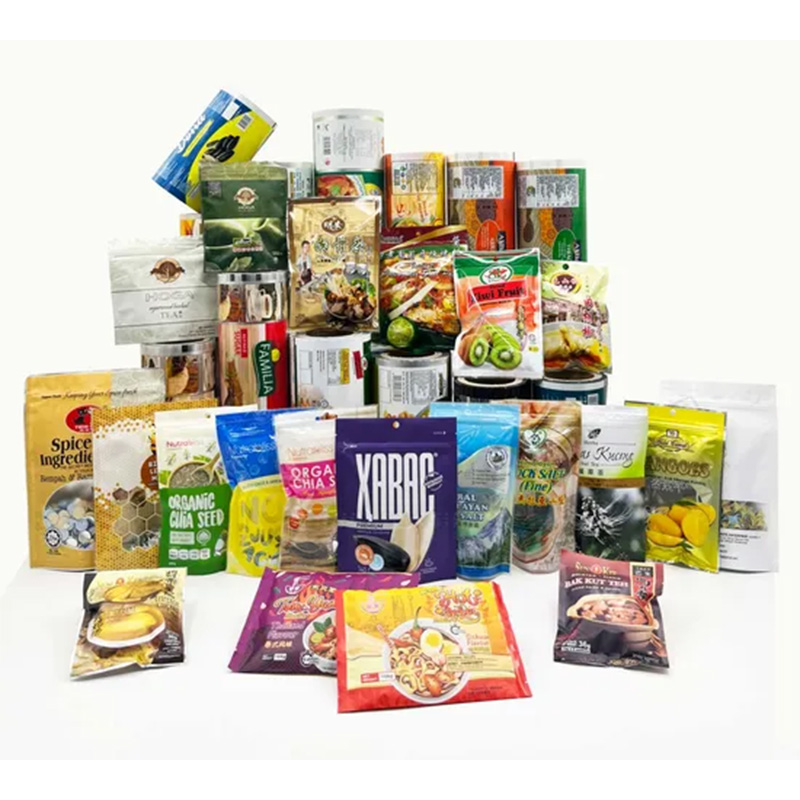
A granule packaging machine is an automated or semi-automated system. It measures, fills, and seals free-flowing or semi-free-flowing granules into flexible or rigid containers.
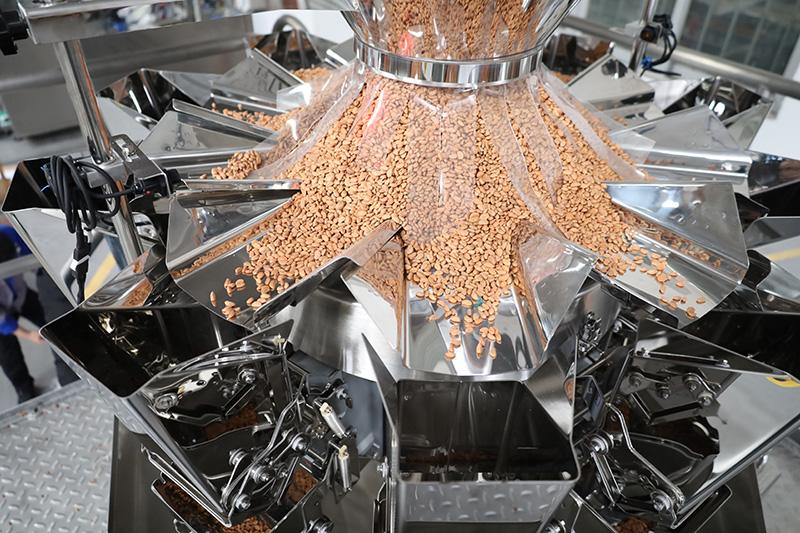
Depending on target bag weights and speed needs, granular systems use multi-head electronic weighers. They may also use linear vibratory feeders, linear weighers, or volumetric cups. These tools measure and split product into exact batch weights.
Key Distinction: Granular foods, like rice, seeds, and nuts, need gentle, weight-based handling. Fine powders need special dust control and volumetric displacement.
Common granular applications include:
Grains & Pulses: Rice, lentils, quinoa, and wheat.
Snacks & Confectionery: Dried fruit, hard candies, and trail mixes.
Aromatic Dry Goods: Whole coffee beans, coarse sea salt, and spices.
Agricultural Inputs: A specialized seed packaging machine relies on identical high-precision weighing principles to handle agricultural seeds rapidly without damaging the seed coat.
Running an automatic food packaging machine on a fast-moving factory floor introduces real-world physical friction. Even with advanced automation, proper initial setup, calibration, and routine maintenance remain crucial to overcoming common line disruptions during automatic food packaging:
The Issue: Fragile products like roasted walnuts, cashews, or brittle snacks can shatter when falling from height into weigh hoppers or bag formers.
Engineering Solution: Installing steep-angled incline conveyors fitted with food-grade steep-cleated belts, alongside dimpled hopper surfaces and soft-drop rubberized chutes, absorbs kinetic energy and keeps brittle items whole.
The Issue: Bulk density in organic products (like seeds or dried fruit) varies from batch to batch or top-to-bottom in supply bins, leading to weight inaccuracy.
Engineering Solution: Modern multi-head weighers utilize automated combination math paired with dynamic weight compensation software. The system adjusts feeder vibration amplitudes on the fly to keep weigh targets precise.
The Issue: Natural dust from salted nuts, spices, or seeds floats into the seal area, causing weak heat seals, air leaks, or rejected packages.
Engineering Solution: Integrating vacuum dust-extraction manifolds right above the discharge funnel removes airborne particles before the package clamps shut, ensuring a clean, airtight heat seal.
When selecting a line setup, food packaging companies generally evaluate two primary machine architectures based on speed, floor space, and package requirements:
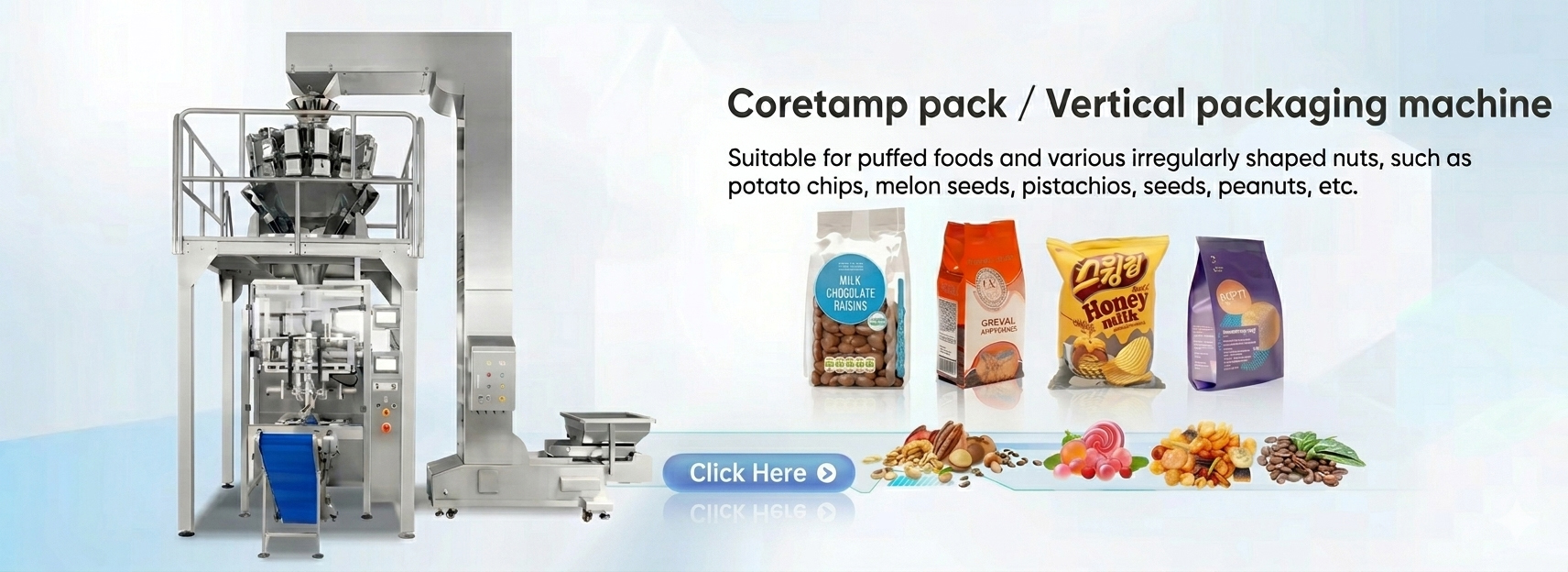
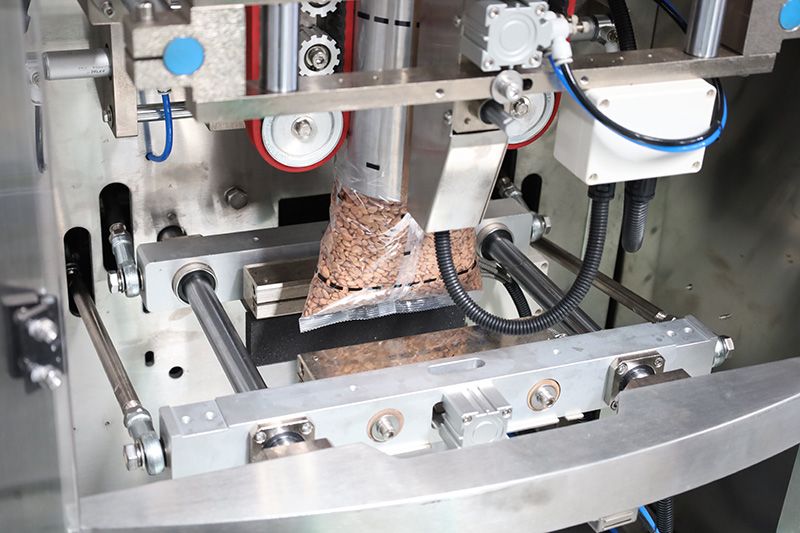
VFFS systems represent the workhorse of bulk food packaging machine configurations. The system pulls flexible roll-stock film over a forming collar, seams the vertical back, fills the product from an overhead weigher, and seals the package. They offer high output speeds, small footprint requirements, and cost-effective continuous production.
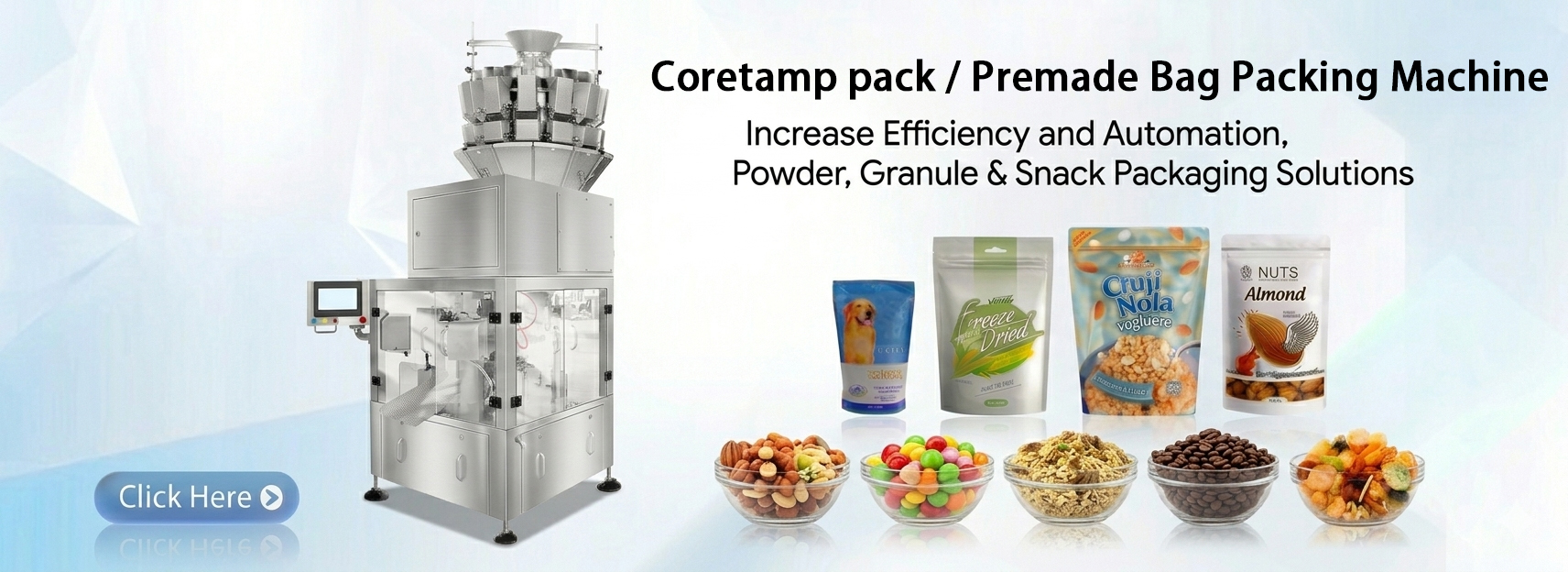
For products requiring premium retail presentation, a premade pouch packing machine utilizes mechanical grippers to pick, open, fill, and seal pre-formed bags (such as stand-up Doypacks). While slower than VFFS systems, a premade pouch fill and seal machine accommodates press-to-close zippers and offers exceptional shelf appeal.
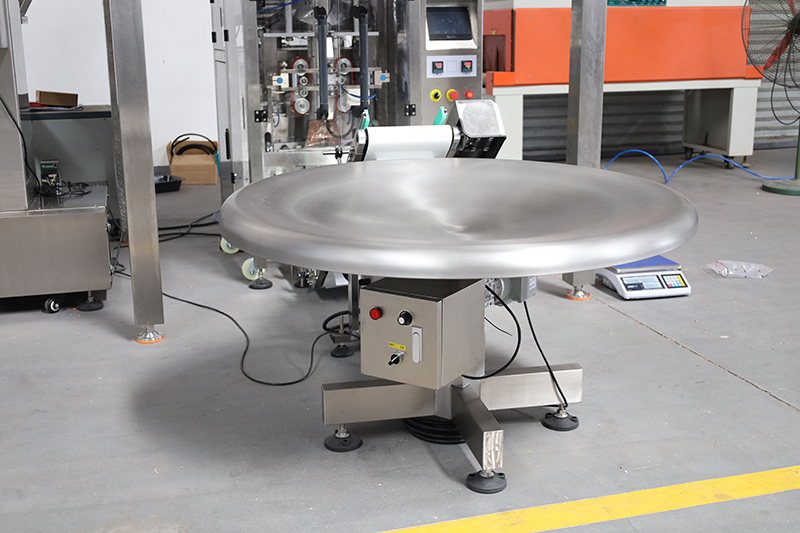
Different material behaviors dictate how a packaging line is tuned. Keeping up with food packaging news highlights how specialized packaging line configurations protect margins across distinct product types:
When integrating a nuts packing machine, engineers must account for oily surfaces and irregular piece sizes. Dimpled stainless steel contact surfaces prevent sticky, oil-coated nuts from adhering to the bucket walls, while multi-head weighers divide portions into precise mix ratios.
For agricultural suppliers, running a high-precision seed packaging machine is critical to guarantee net-weight compliance without overfilling. Because high-value seeds carry significant cost per gram, accurate combination weighing protects profit margins while ensuring growers receive precise seed counts.
Automated granule systems efficiently process a wide array of dry, free-flowing goods. Common applications include tree nuts, agricultural seeds, rice, coffee beans, candies, dried fruits, pet kibble, and coarse seasonings.
Most automated granule lines combine an overhead feeding elevator (like a Z-bucket conveyor) with an accurate dosing unit (multi-head weigher, linear weigher, or volumetric feeder) mounted directly above a primary packaging unit—either a Vertical Form-Fill-Seal (VFFS) machine or a premade pouch system.
Automated equipment dramatically reduces manual labor requirements, increases bag-per-minute cycle rates, and minimizes costly material giveaway by holding fill tolerances within fractions of a gram.
VFFS machines shape pouches directly from a roll of flat film in a continuous, high-speed vertical process. Premade pouch machines manipulate pre-formed bags using mechanical grippers, making them ideal for complex pouch designs featuring press-to-close zippers or stand-up bottoms.
Whether you handle organic grains, farm seeds, or gourmet roasted nuts, the right granule packaging machine is key. It forms the foundation of a modern production line.
By matching material traits to the right food packaging machine setup, food processors can increase output. They can reduce waste. They can protect long-term profit margins.


Copyright © CoreTamp All Rights Reserved | Sitemap | Powered by 
